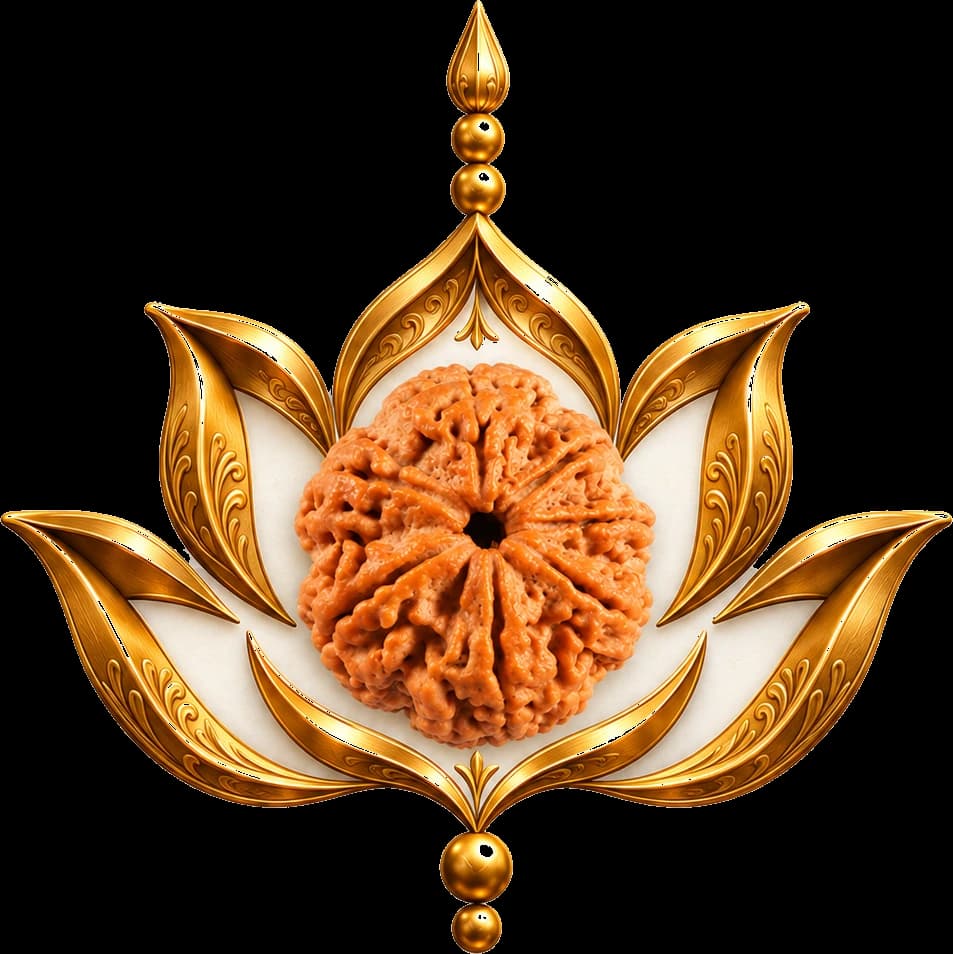
15 MukhiPhotograph coming soon
15 lines · 15 chambers
15 Mukhi
Mercury (attribution varies)
RarePrice on request
Your basket
Empty. While we confirm our price list, every bead is priced on request: tell us the bead and the size, and we quote it with its X-ray. There is no online checkout: you order through our contact form, by email or on WhatsApp.
Ask about a beadBrowse the beadsBy presiding deity
Beads whose presiding deity is traditionally given as Lord Pashupatinath.
Some of the beads below are grouped by an attribution that varies between traditions. Where that is the case, the bead’s own page says so.
Pashupatinath is Shiva as lord of all living beings, and the great temple in his name stands on the Bagmati in Kathmandu. For many Nepali families he is the form of Shiva closest to home.
The 15 Mukhi is given to Pashupatinath in the sources our sheet follows; others name a different deity, so it is marked as varying. It is a rare bead worn for calm and for the heart, priced on request.
| Bead | Presiding deity | Planet | Chakra | Rarity | Worn traditionally for |
|---|---|---|---|---|---|
| 15 MukhiAttributions vary | Lord Pashupatinath | Mercury (varies by tradition) | Anahata (Heart) | Rare | Relief from anxiety, guilt and spiralling thoughts; heart-centred calm |
15 Mukhi. Attributions of this kind are recorded differently in different sources, so you may see other beads listed elsewhere.
Each bead has its own beej mantra. 15 Mukhi: Om Hreem Namah. It is traditionally chanted when the bead is first worn.
These are traditional associations recorded in Vedic and Puranic sources. They are described here as tradition, not as medical or therapeutic claims, and no bead is a substitute for medical care.