Skip to content
Arun Valley Rudraksha

Your basket

Empty. There is no checkout here yet — every bead is sorted, weighed and photographed to order, so it is quoted by hand.

Ask about a beadBrowse the beads

Knowledge Centre

Everything we know about the bead

We would rather you bought a good bead from someone else than a fake from anyone. So these guides explain how to check a bead, including one you did not buy from us.

Published
9 guides
In progress
6 more

Start here

Start here

What is Rudraksha? A complete guide to the bead

The bead, the tree, the face counts and the prices — everything in one place, before you go deeper into any one of them.

Rudraksha is the dried seed of the Elaeocarpus ganitrus tree, which grows in the Himalayan foothills of Nepal and parts of Indonesia and India. Each seed is divided into natural chambers, and the lines running down its surface show how many. That count is called the mukhi, or face. It is worn in Hindu tradition as a mala or a single bead, most commonly in five mukhi.

6 min read
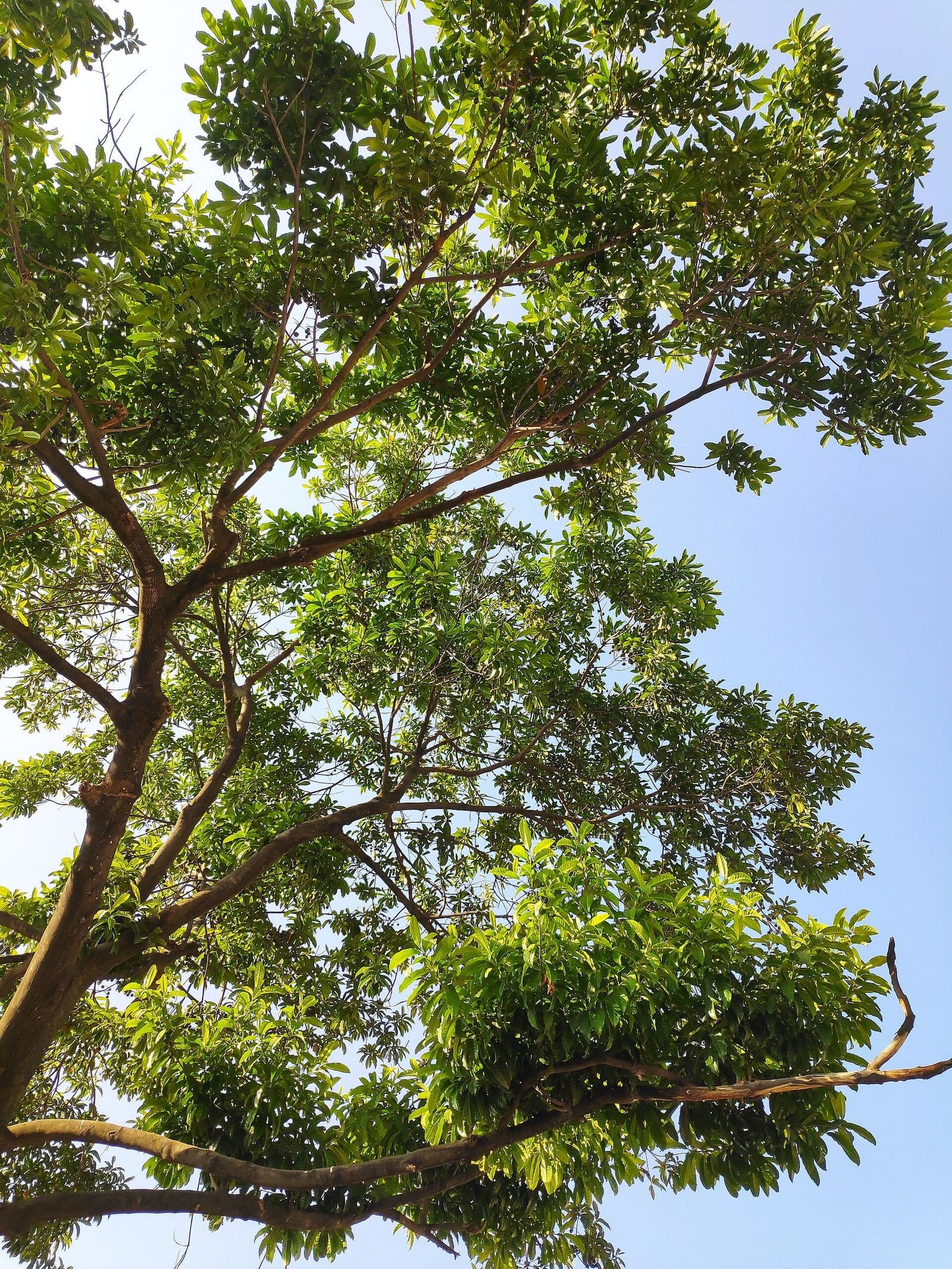
The canopy of a Rudraksha tree seen from below against the sky
Stand-in photo · Gaurav Dhwaj Khadka · CC BY-SA 4.0

The rest

Every other guide

Or go straight to the beads

Content plan

Being written

These are next, in this order. They are not linked because they are not written yet.

  1. 01The Rudraksha mala: 108 beads and how one is assembledThe largest keyword row after the head term. Blocked until mala routes exist.
  2. 02Rudraksha bracelets: what to look forVery large volume, entry-level buyers. Blocked until bracelet routes exist.
  3. 03Nepali vs Indonesian RudrakshaA comparison we win on origin.
  4. 04Rudraksha price guideCaptures price-intent searches before competitors do.
  5. 05Siddha Mala: what it is and how it is assembledHero product, highest average order value.
  6. 064 Mukhi Rudraksha and studyCompletes the low-count cluster around an exam-season intent.