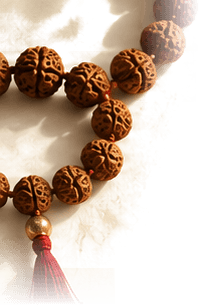
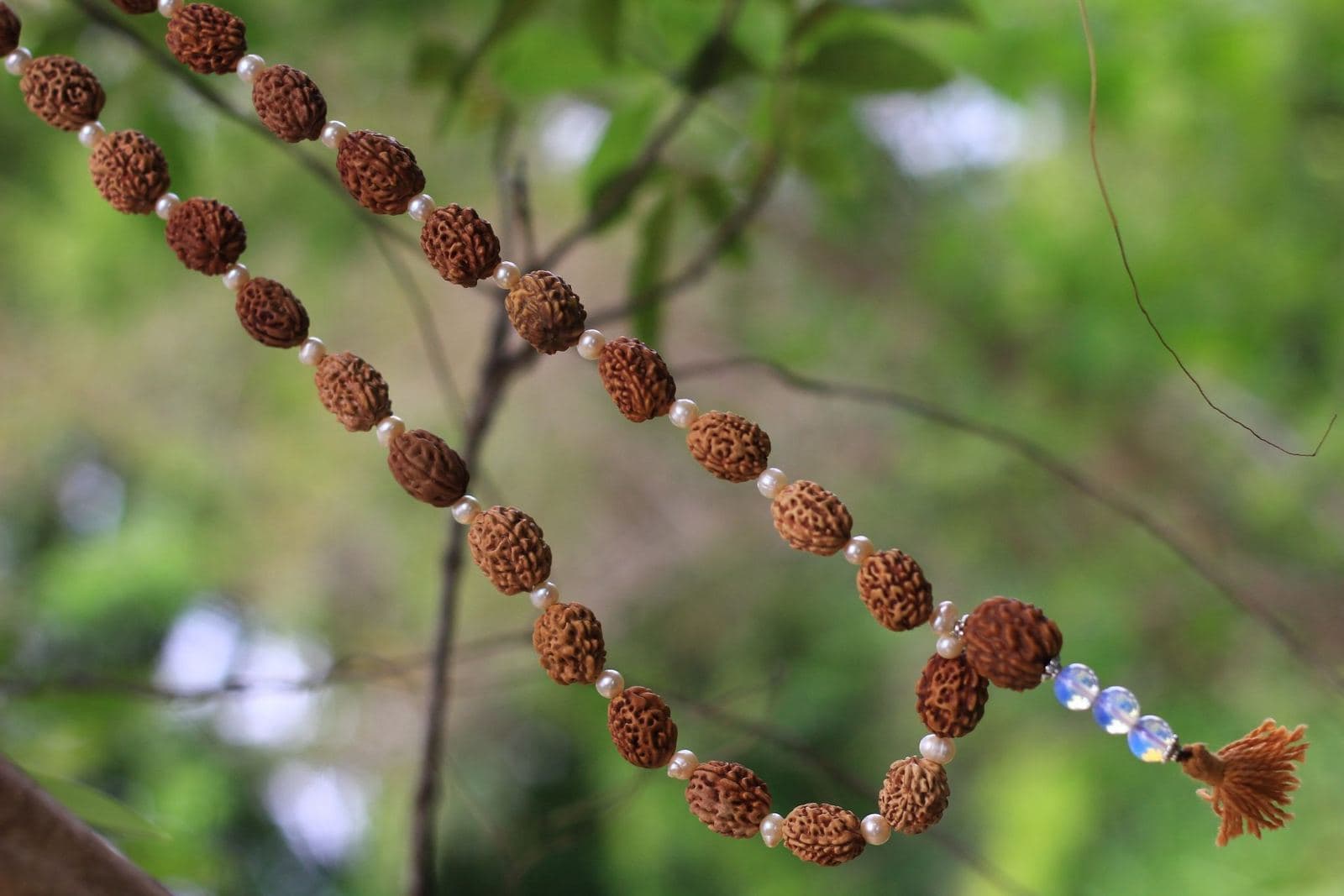
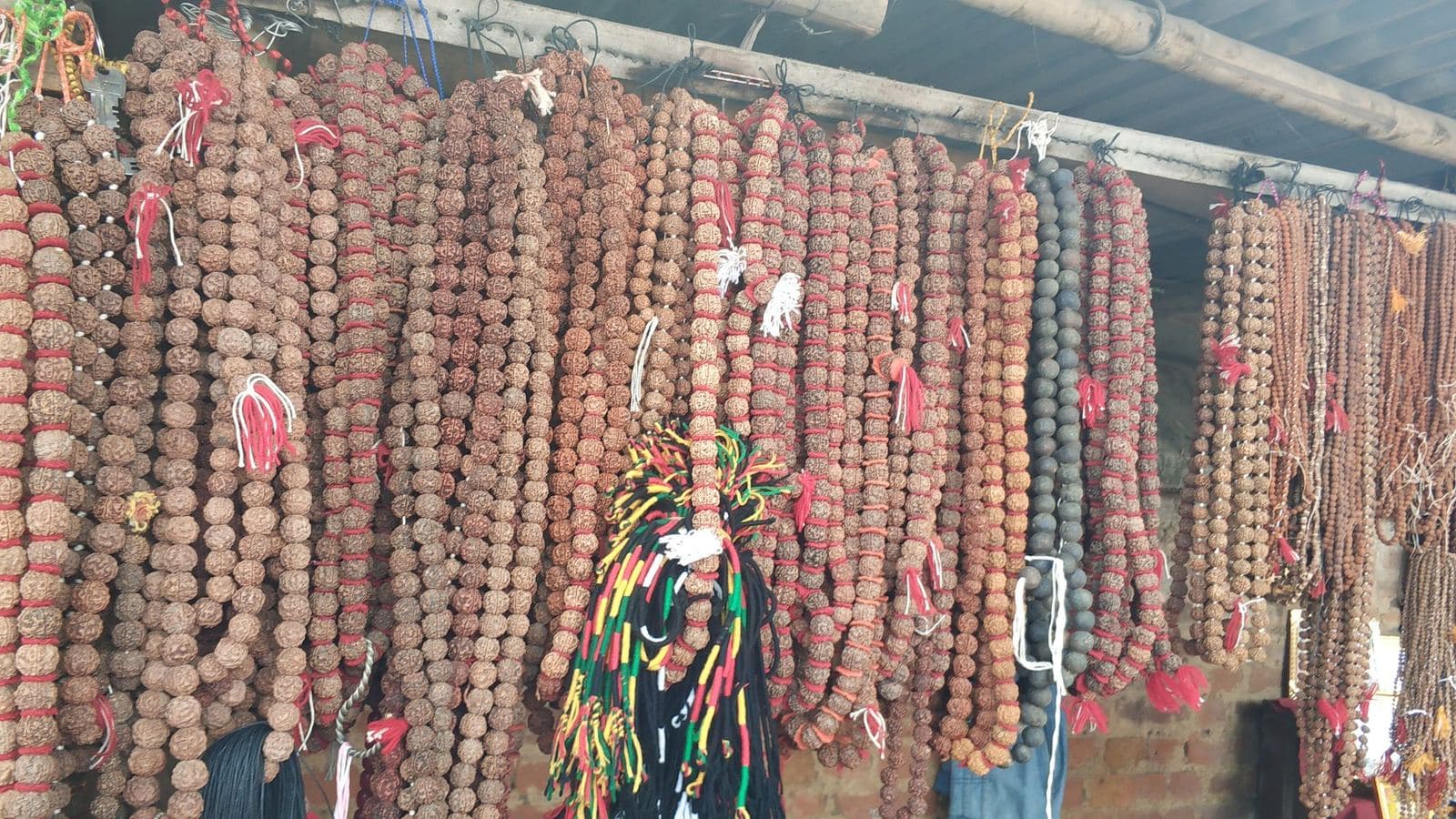





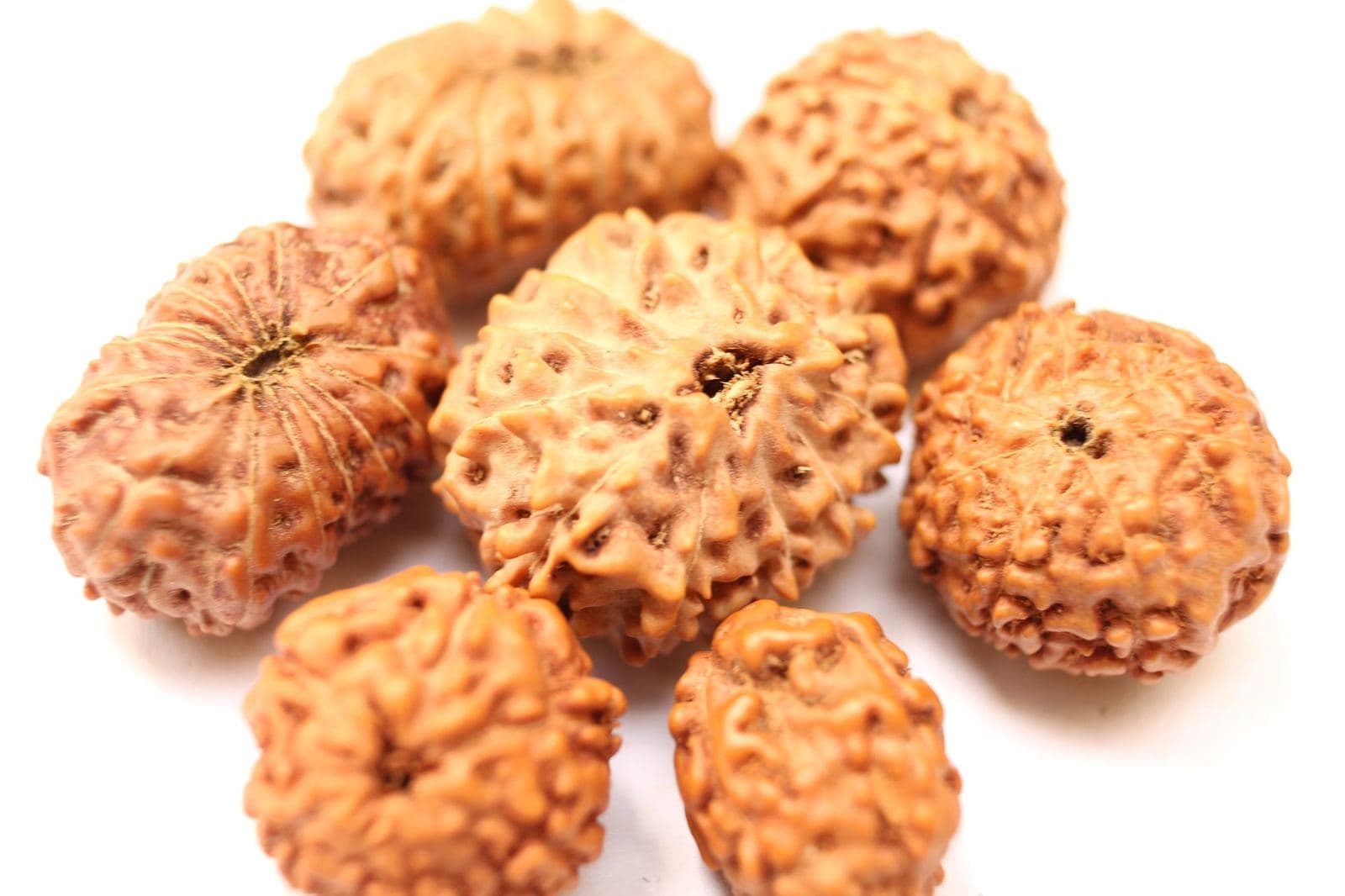
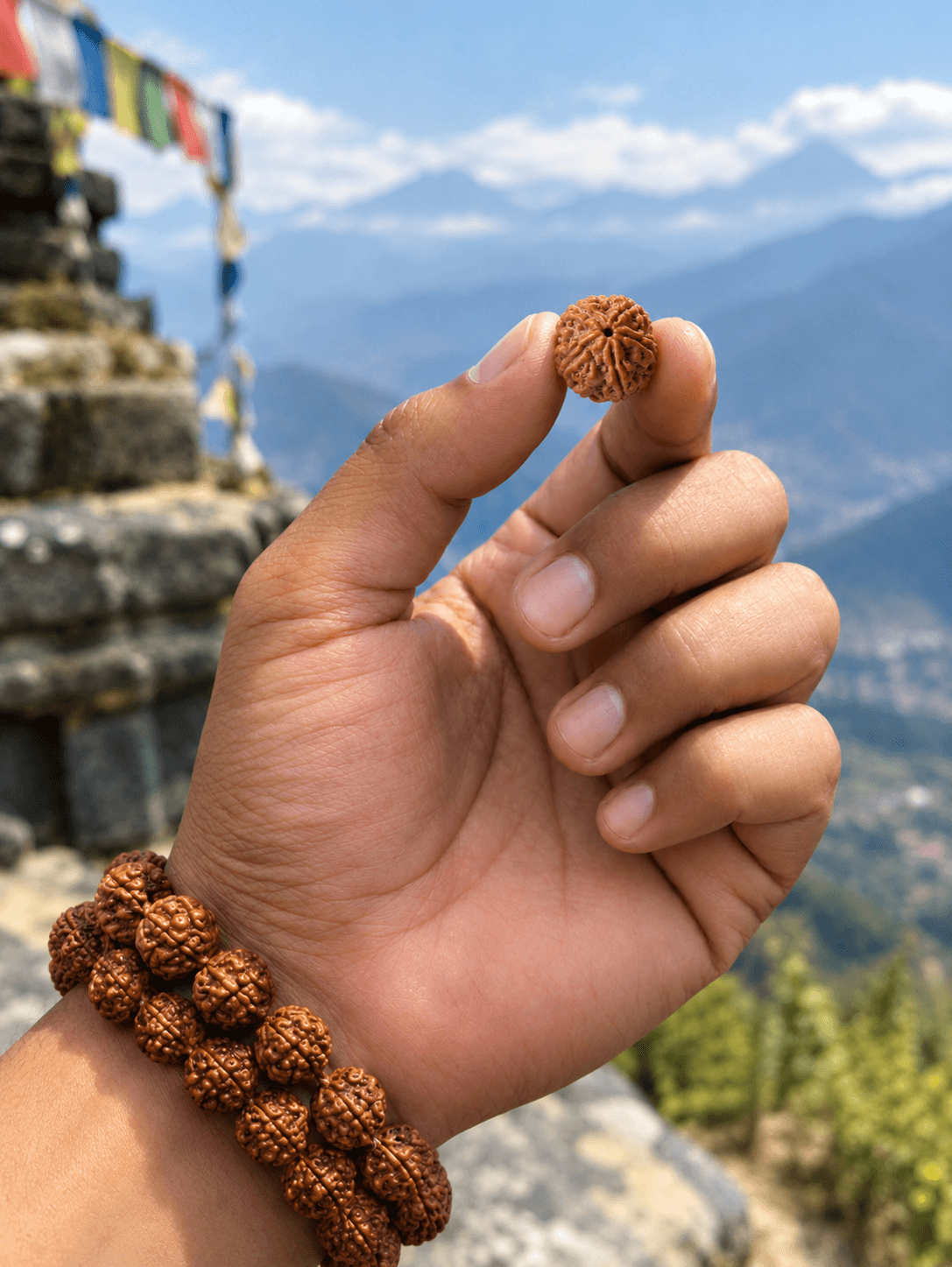
5 Mukhi
calm mind · stress relief
Your basket
Empty. There is no checkout here yet — every bead is sorted, weighed and photographed to order, so it is quoted by hand.
Ask about a beadBrowse the beadsAuthentic Rudraksha
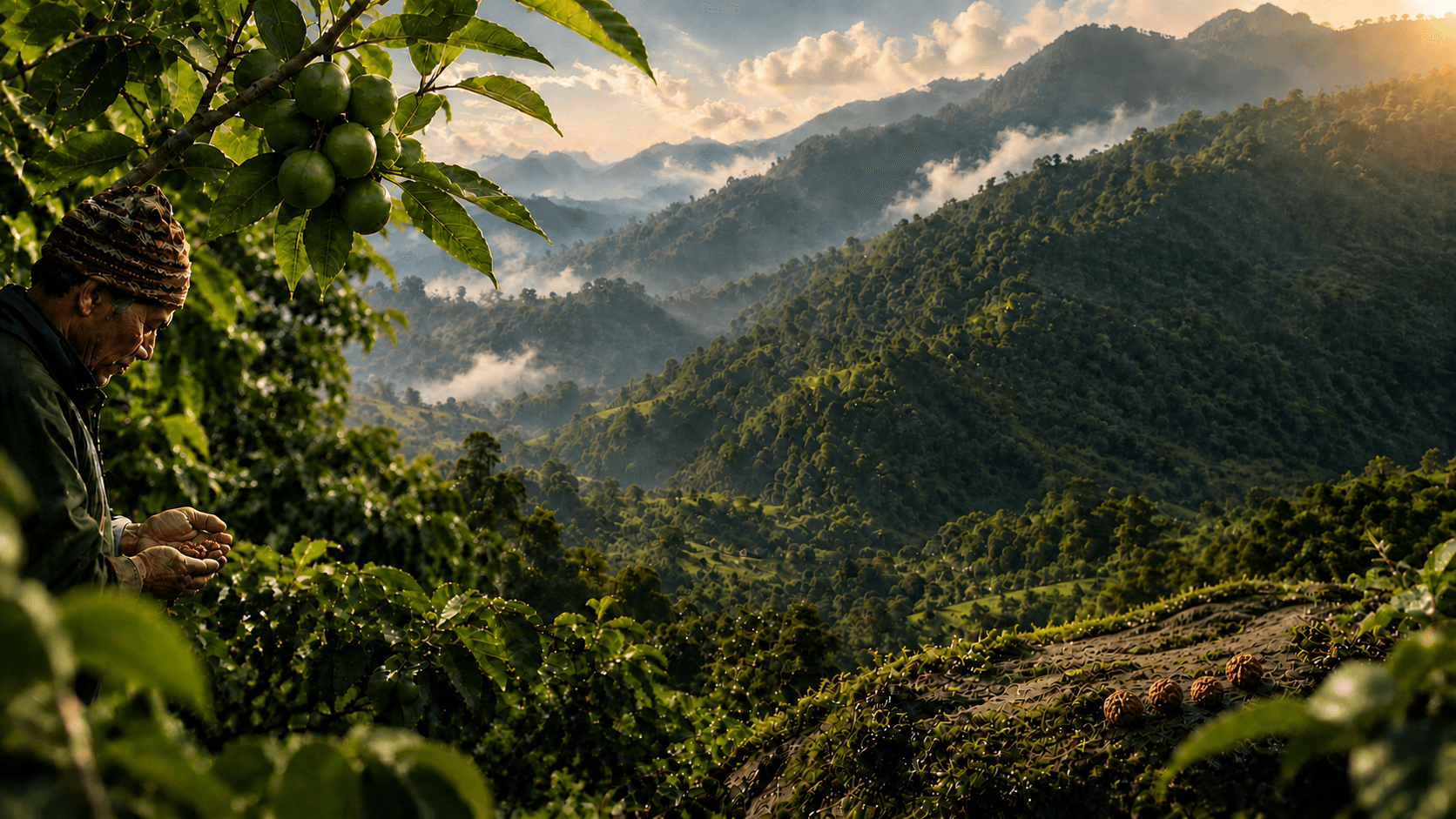
Farm-direct from the Arun Valley, eastern Nepal.
Start here
Most people start with a 5 Mukhi. If you came for something specific, choose from our complete range below.
Not sure? Choose by what it is worn forBrowse every beadHow it works
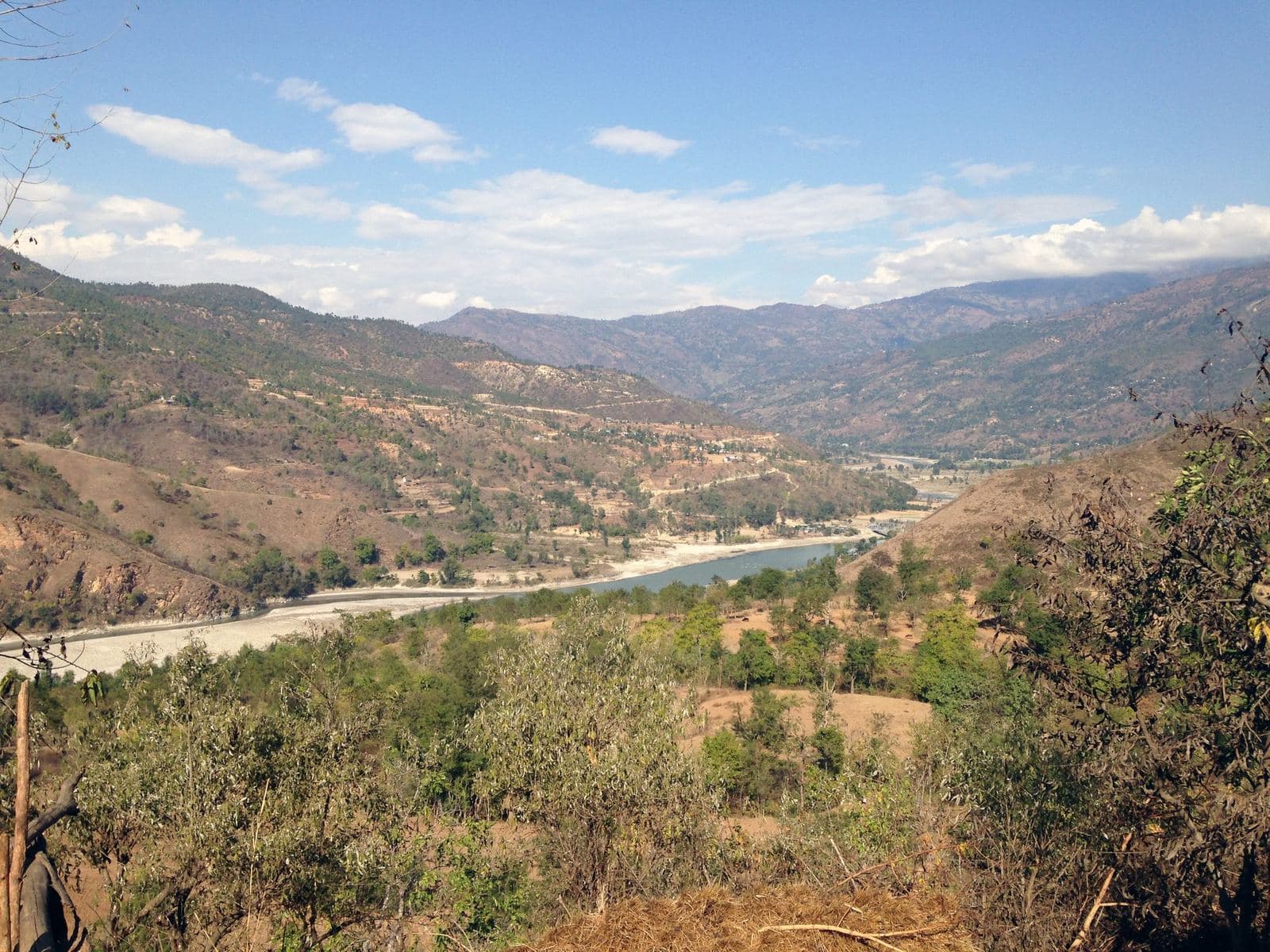
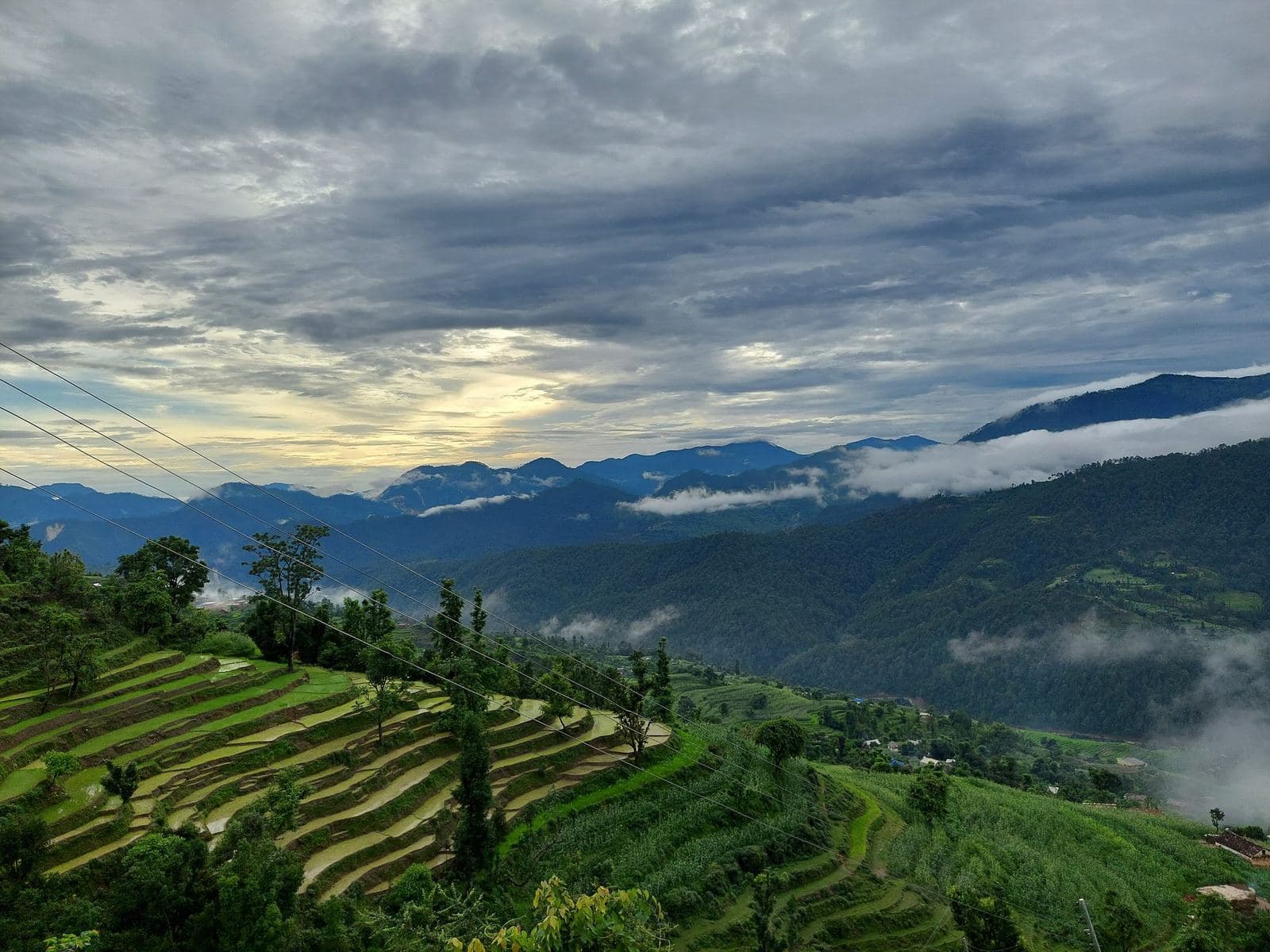
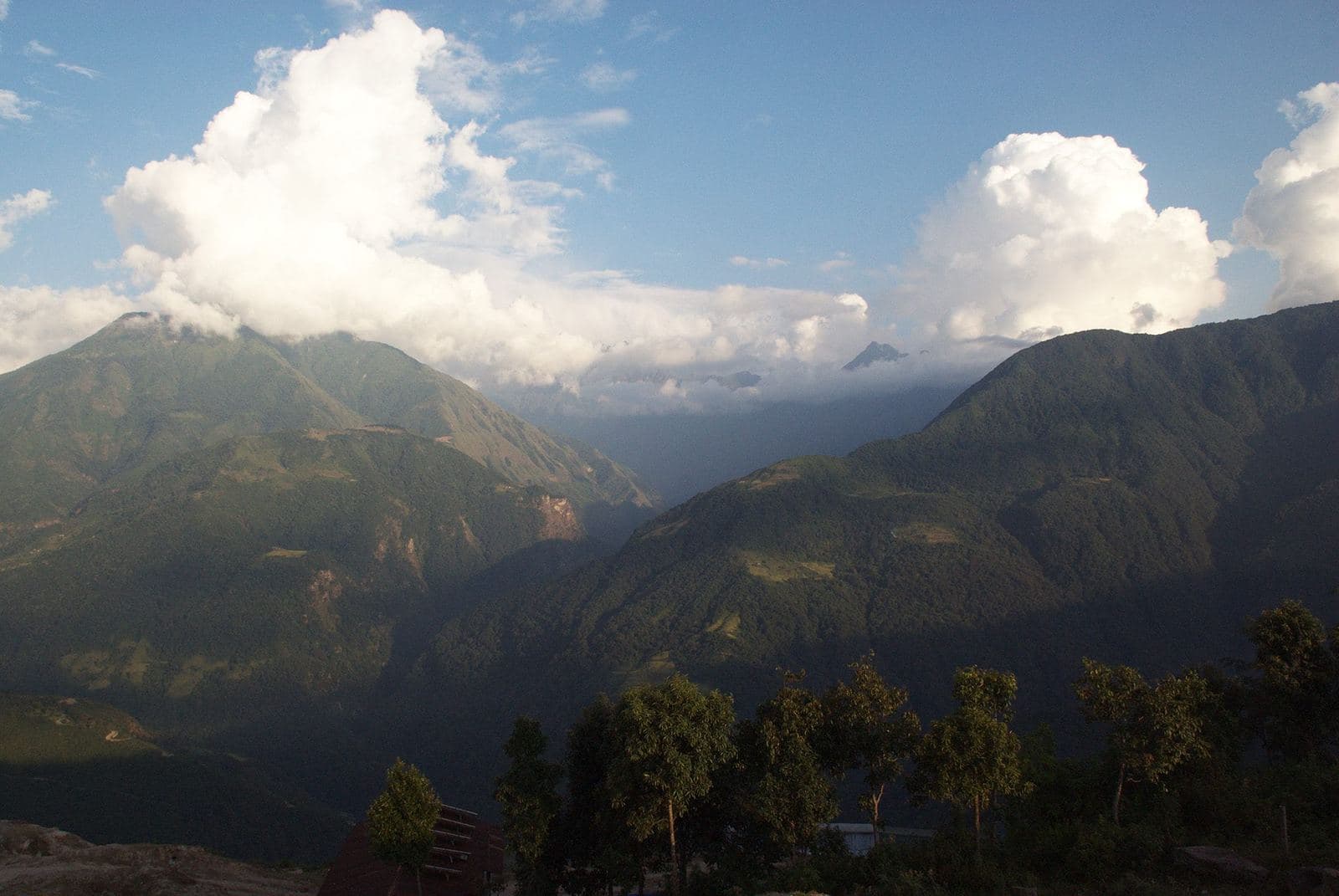
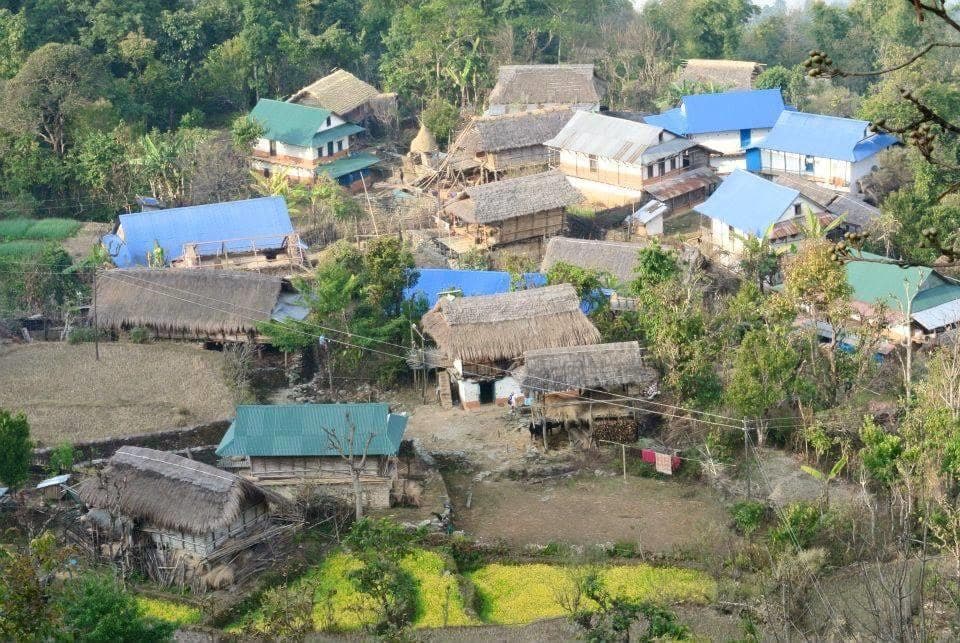
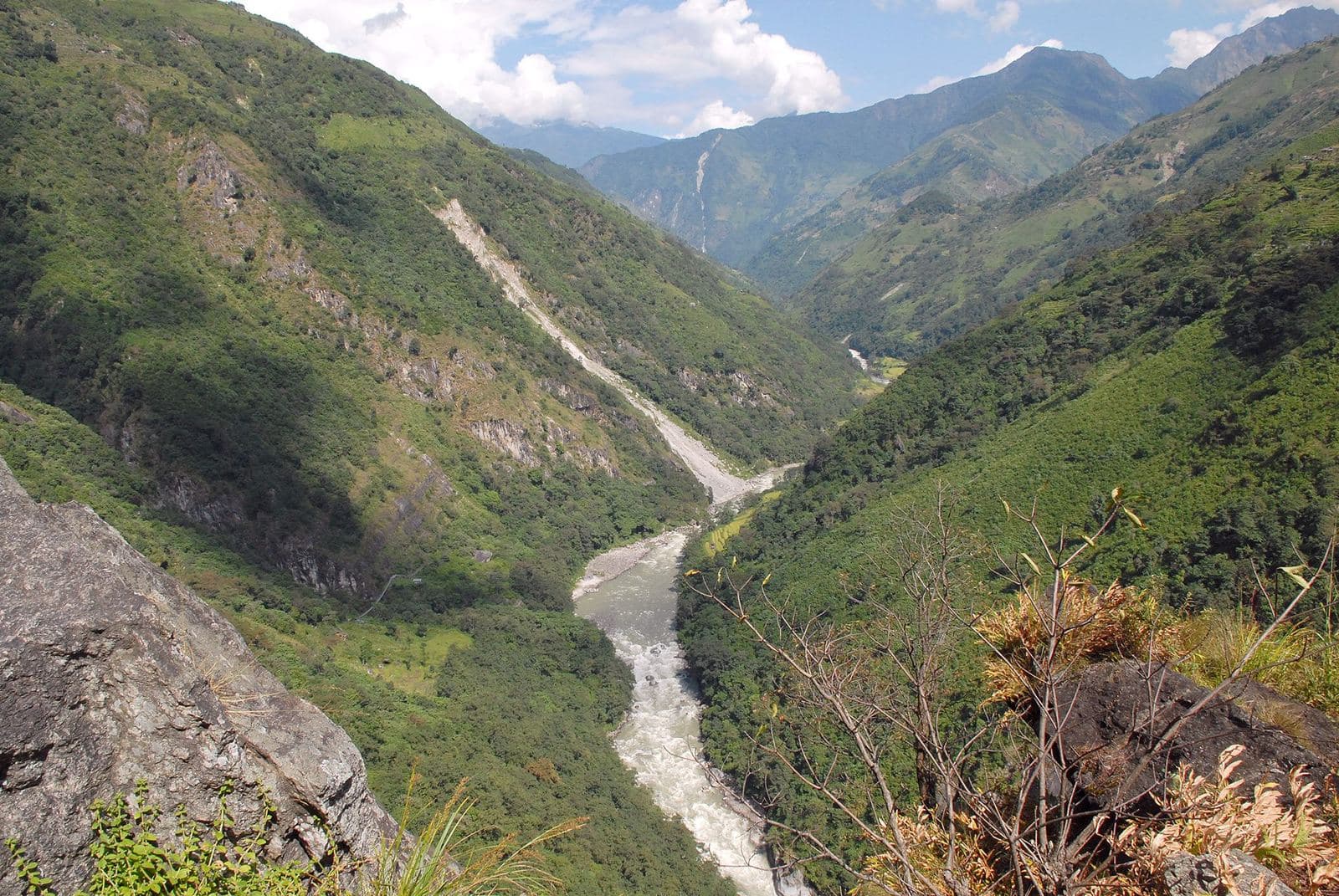
Arun Valley · Sankhuwasabha district · eastern Nepal
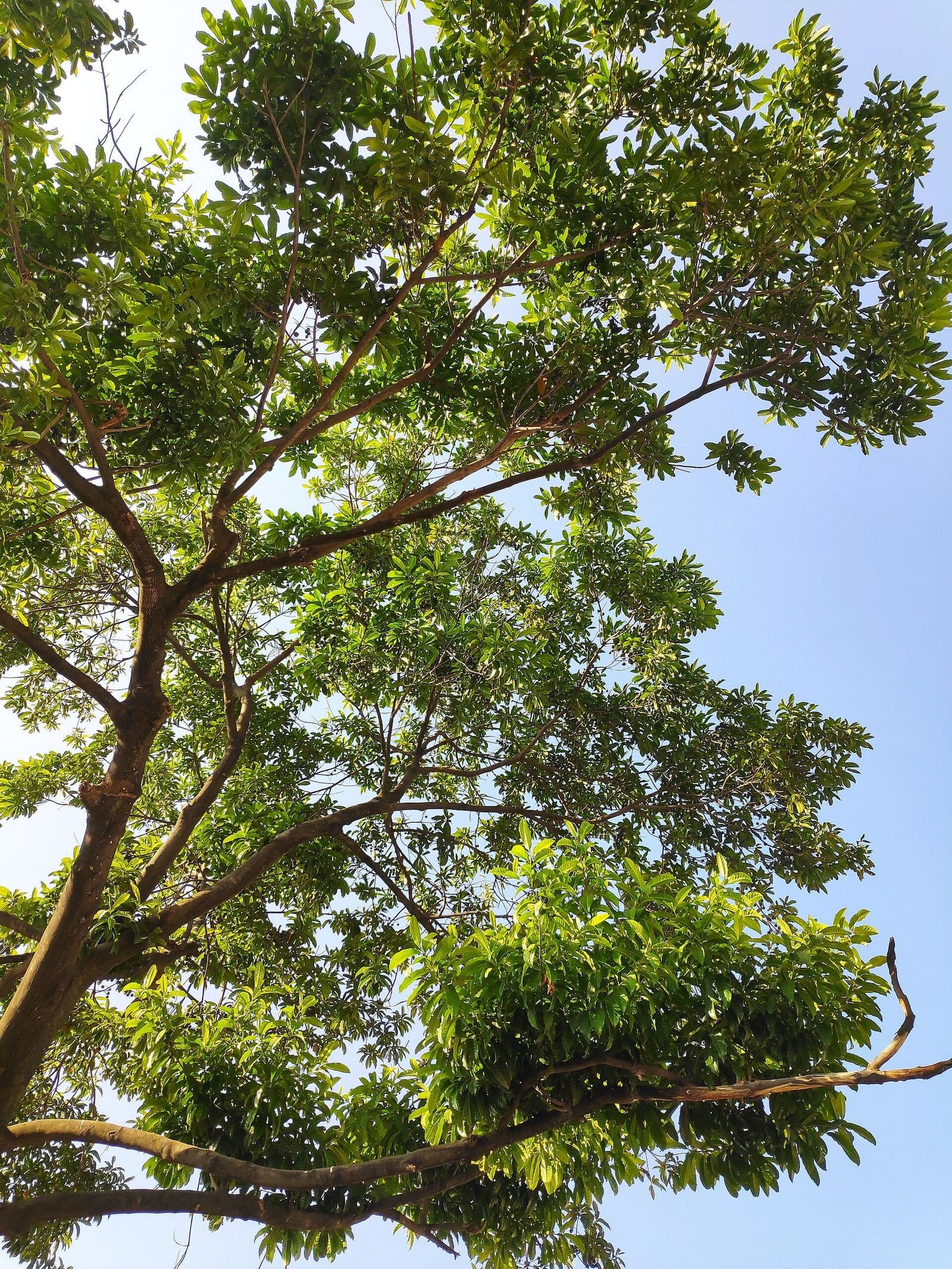
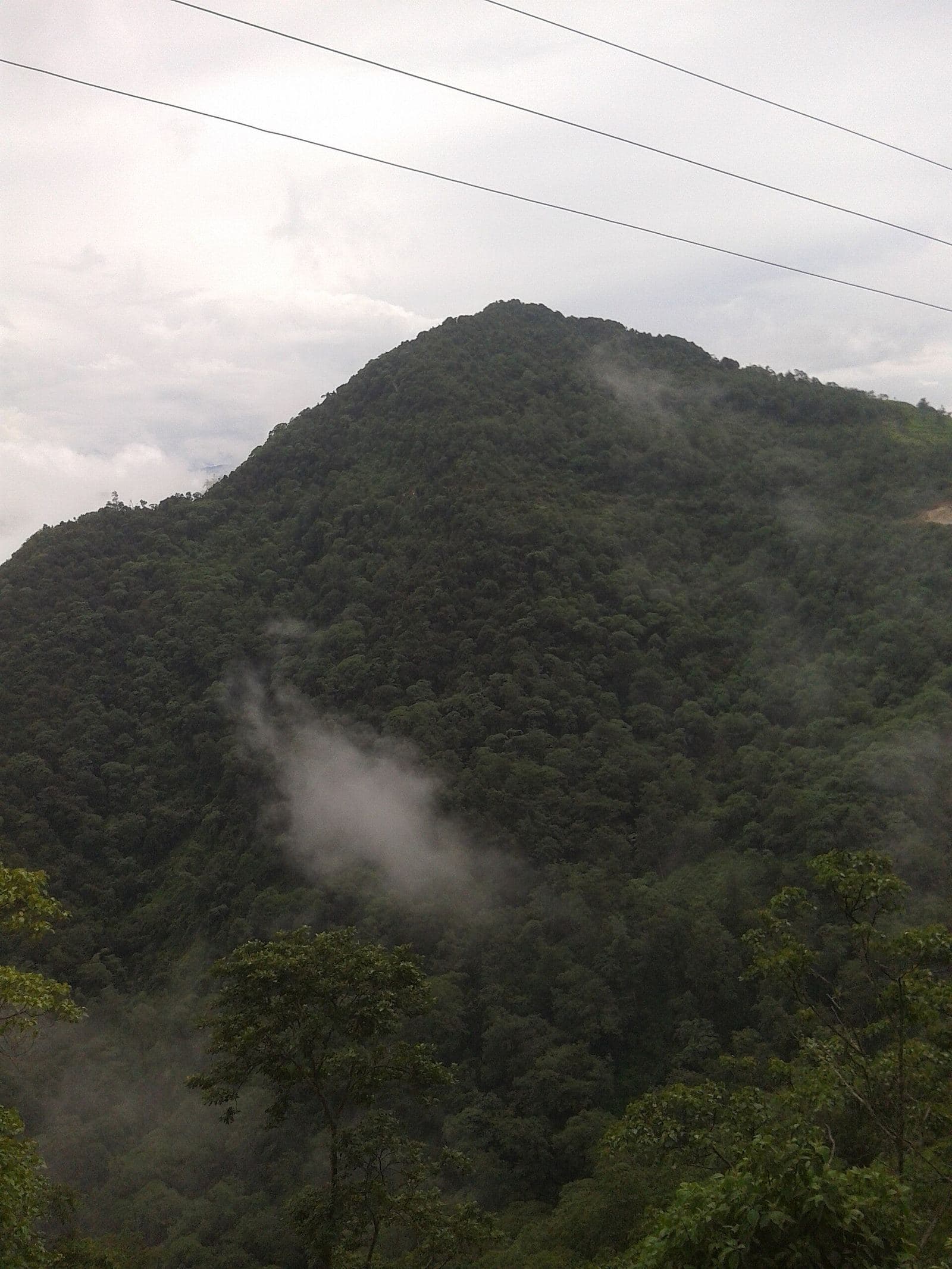
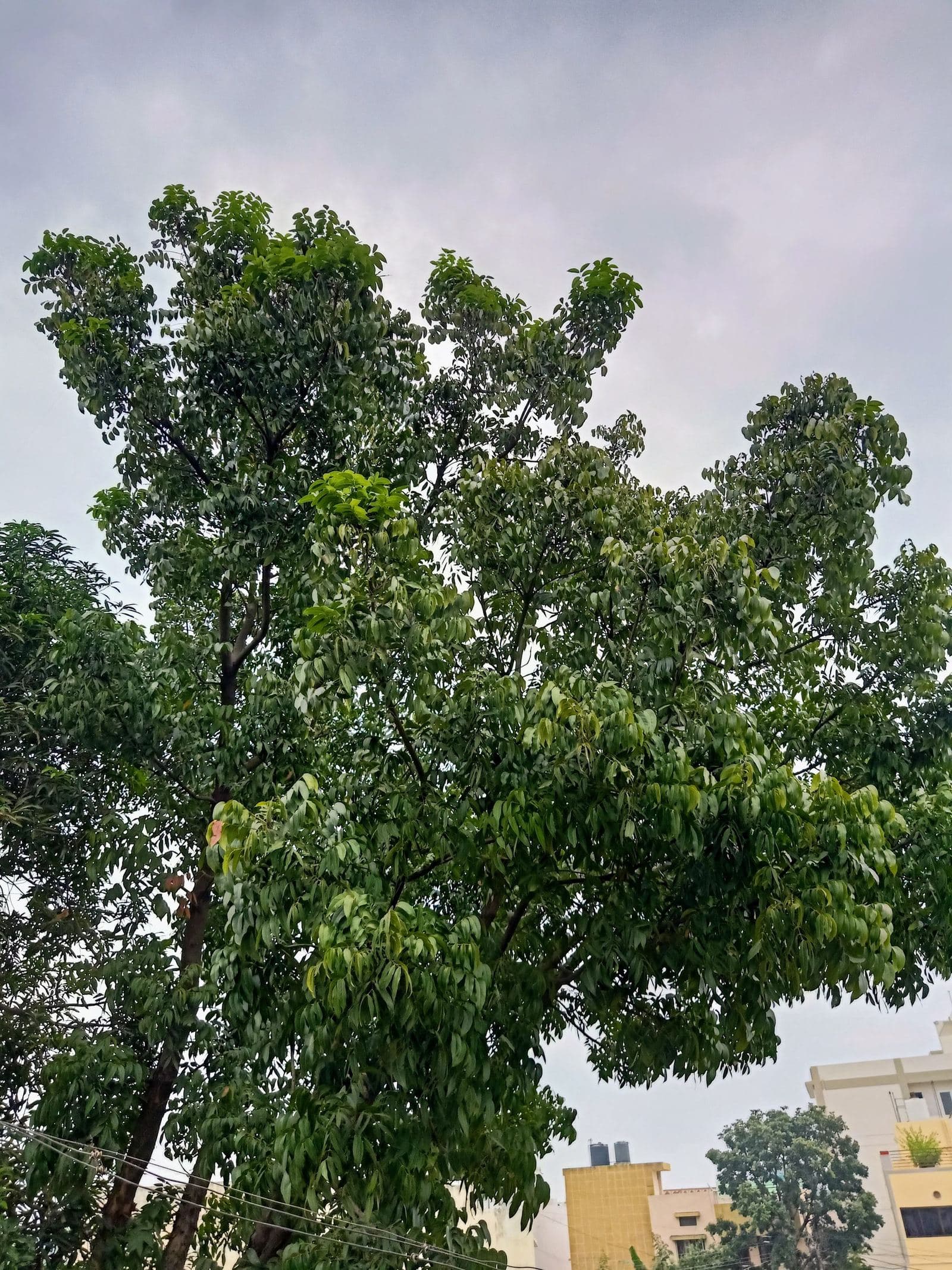
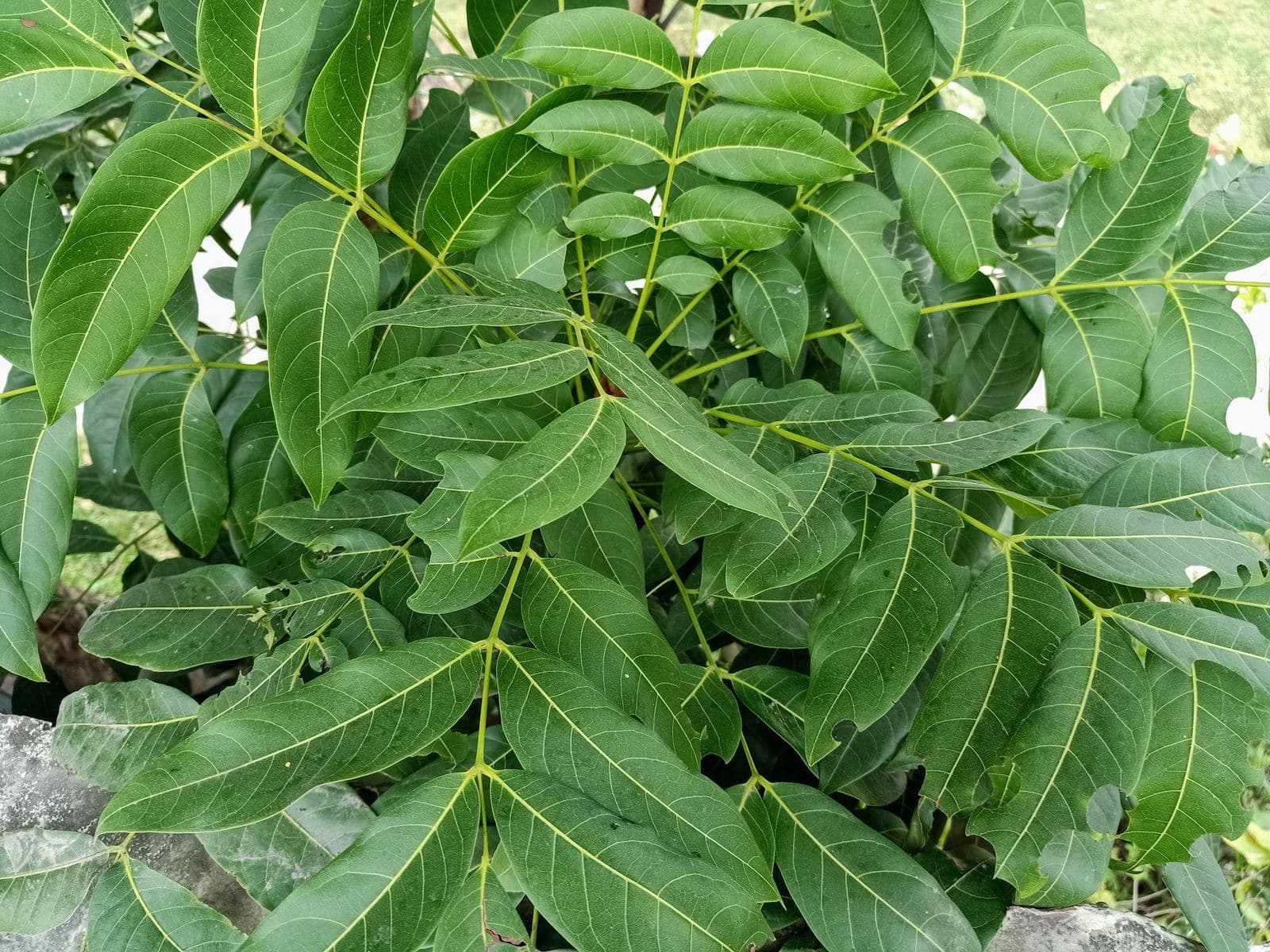
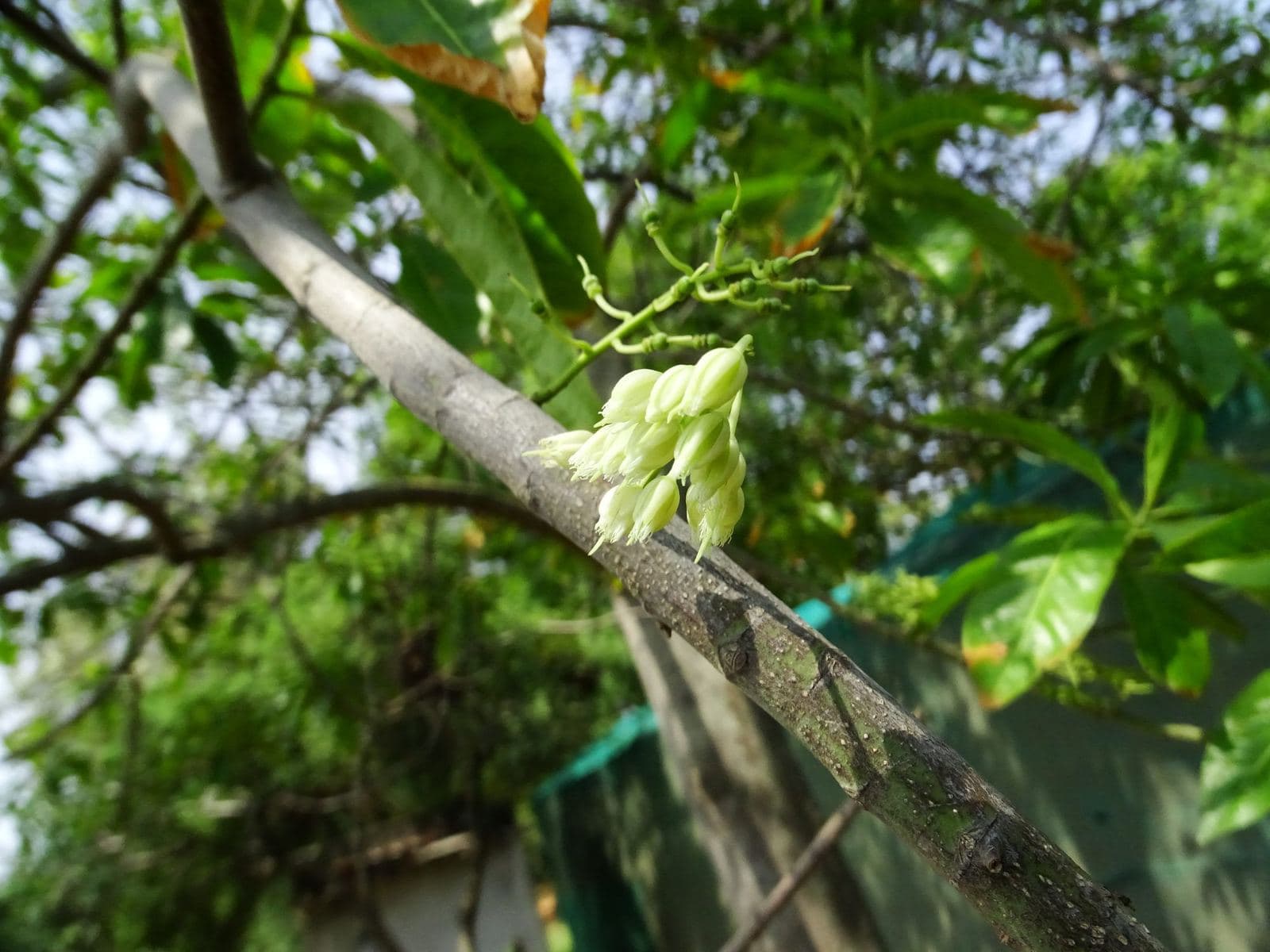
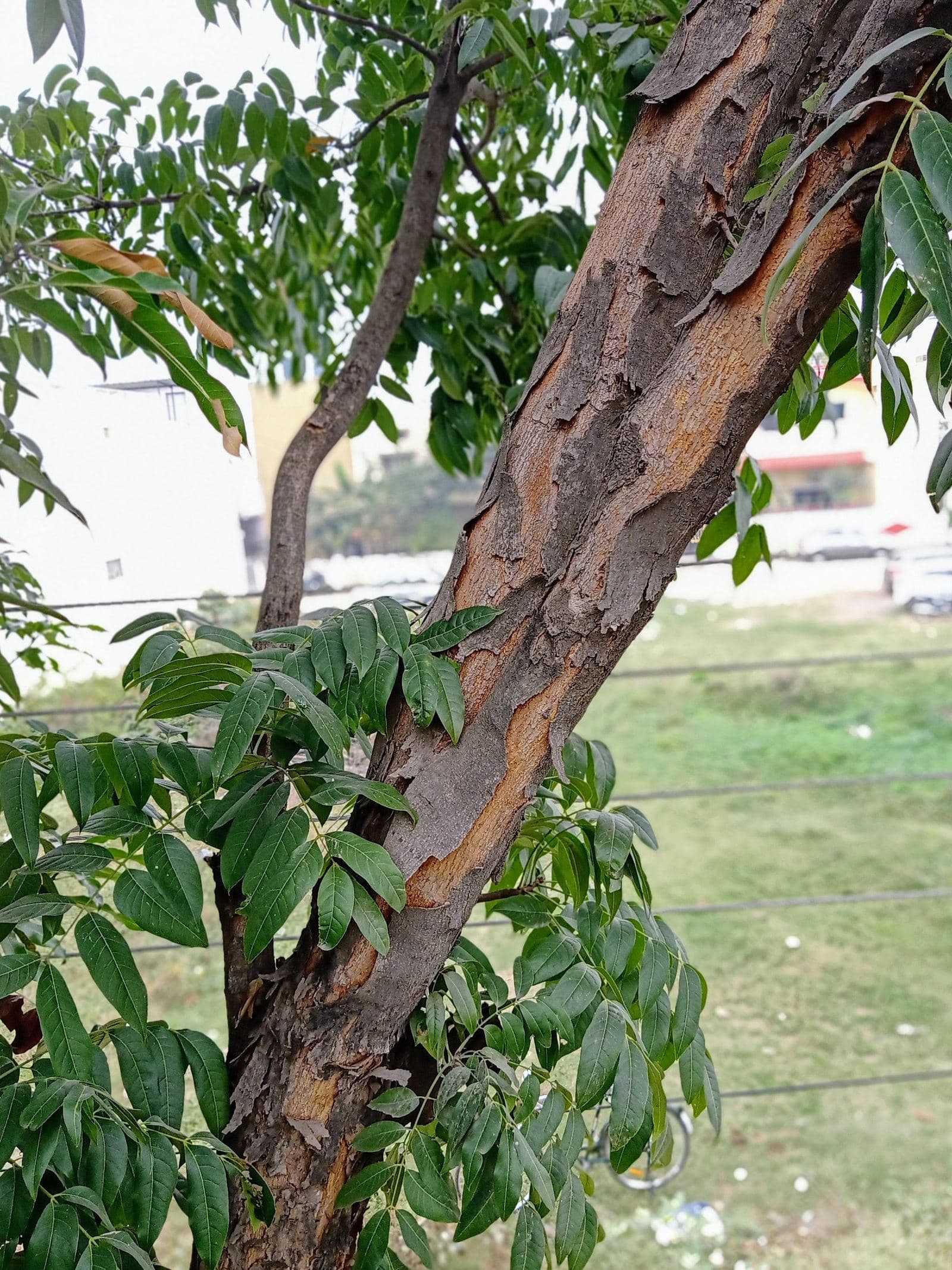
Photographs: stand-ins while our own shoot is arranged. Credits
Where most people start
The four people ask for by name, with what tradition associates them with.
calm mind · stress relief
Wealth flow
Super-consciousness
marriage · partnership
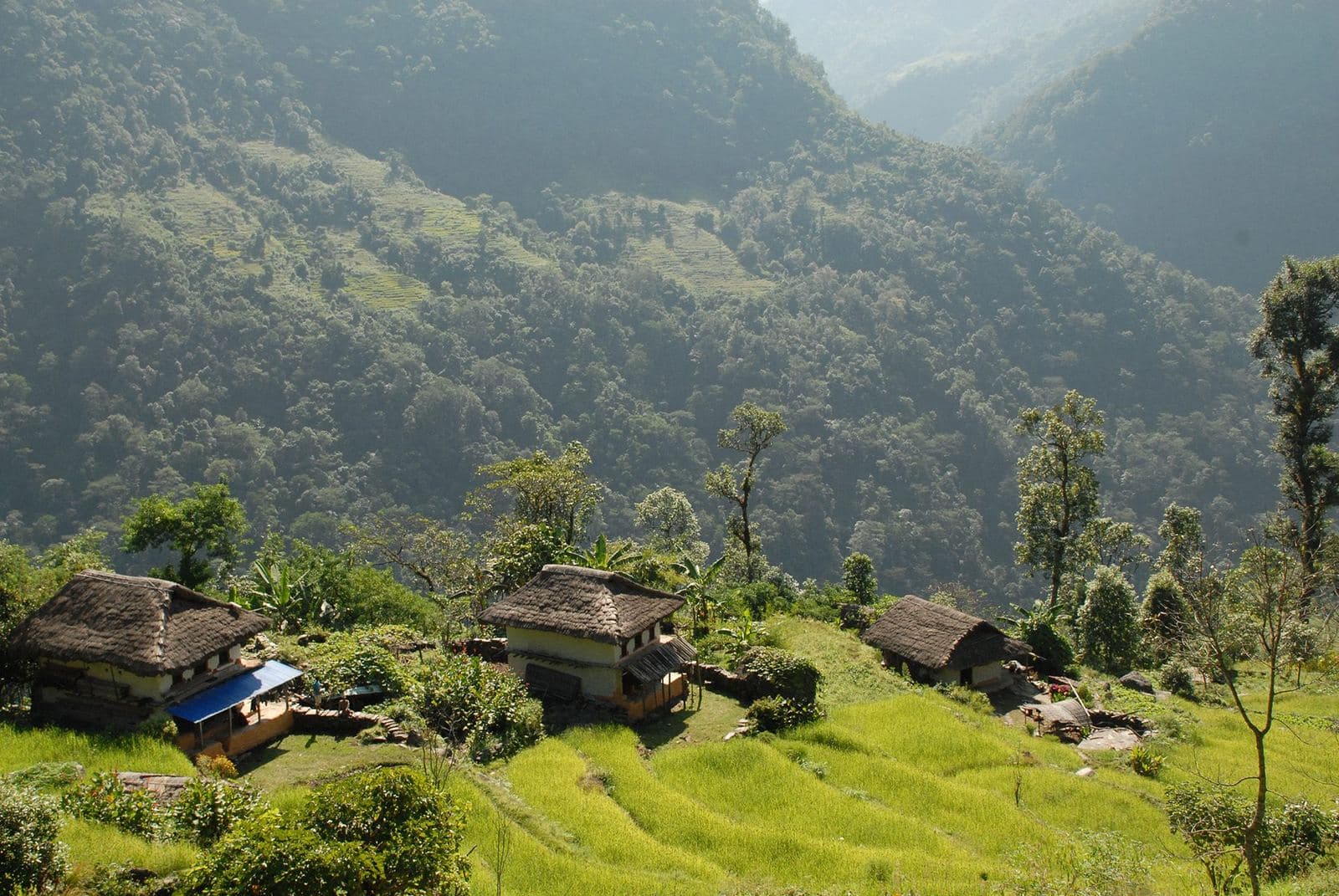
Our family farms Rudraksha in the Arun Valley in Sankhuwasabha district, eastern Nepal. We pick the fruit, we soak and clean the seed, we sort every bead by hand, and we X-ray each one before it is listed.
A reseller cannot tell you which slope a bead grew on, which season it came from, or who sorted it, because they were not there. We can, and every bead page says so.
The test that settles it
A Rudraksha grows with as many internal chambers as it has lines on its surface. Carving extra lines onto a cheap bead takes a minute. Growing extra chambers takes a different tree. So we X-ray every bead and publish the image on its page.
InsideDiagram, not a scan
1 / 3
If you do not know the number
Most people arrive knowing what they are dealing with, not which mukhi count answers it.
Beads worn traditionally by those seeking steadiness and relief from restlessness.
Traditionally associated with concentration, learning and examinations.
Traditionally worn in pursuit of abundance and financial stability.
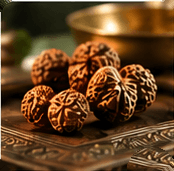
Traditionally worn as a protective bead against negative influence.
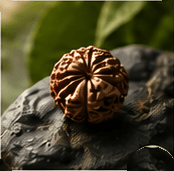
Traditionally associated with partnership, harmony and family life.
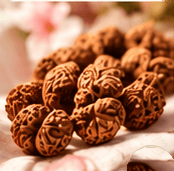
Beads traditionally used in meditation, japa and sadhana.
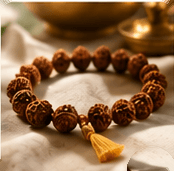
Five steps, one pair of hands
Every other Rudraksha shop starts at step four, buying beads someone else picked, cleaned and sorted. Here is the whole of it, in order.
Fruit is collected once it falls, by our family and neighbours from the villages around the orchard. October to December.
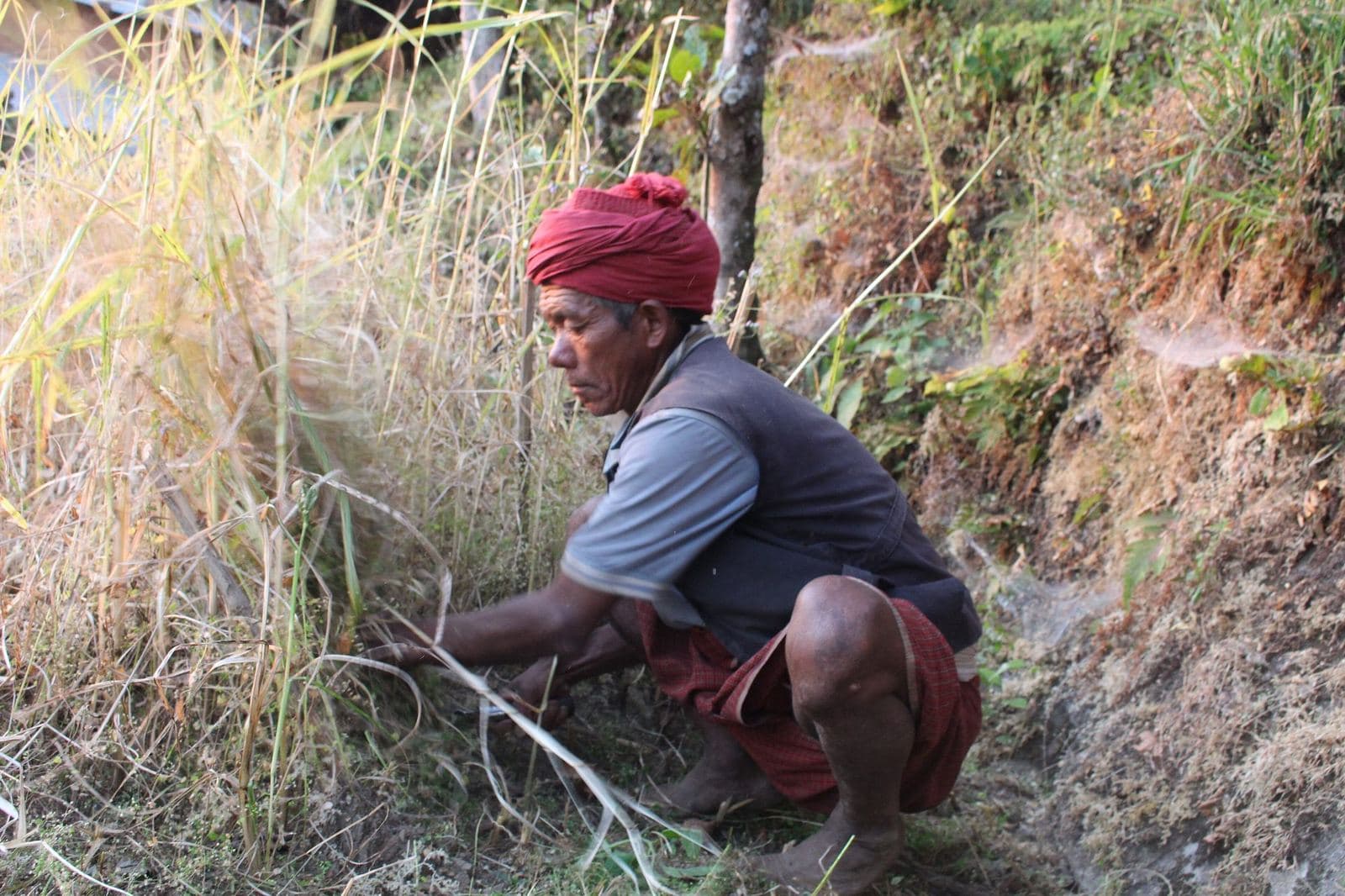
Several days in water until the flesh lifts away. Machine cleaning is faster and rounds off the thorny ridges that make a Nepali bead worth having.
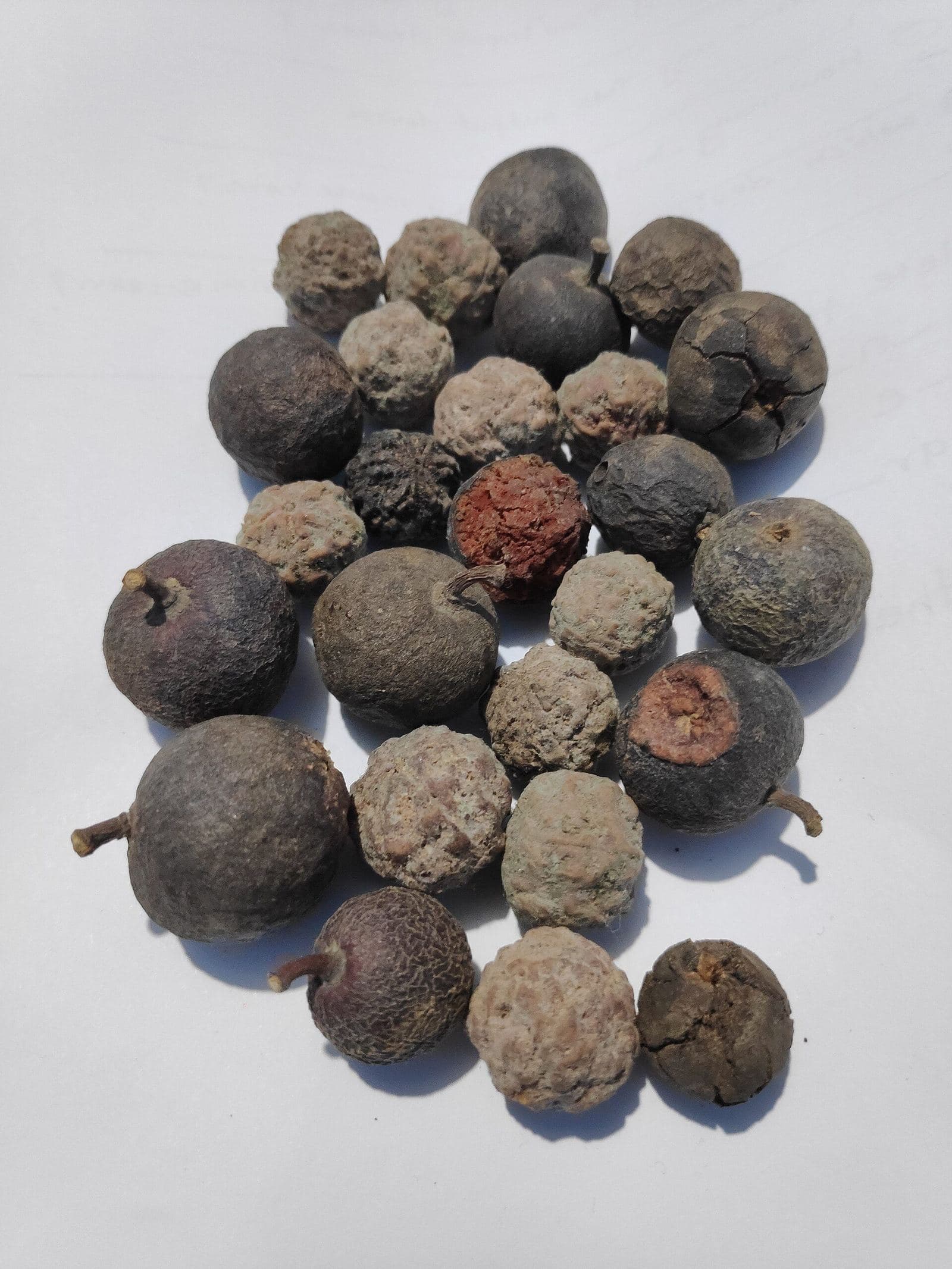
Never in direct sun. Fast drying is what puts the hairline cracks into cheap beads, and it cannot be undone afterwards.
By face count first, then by diameter in millimetres, then by surface condition. Grades are our own, and the millimetre band is printed beside every one.
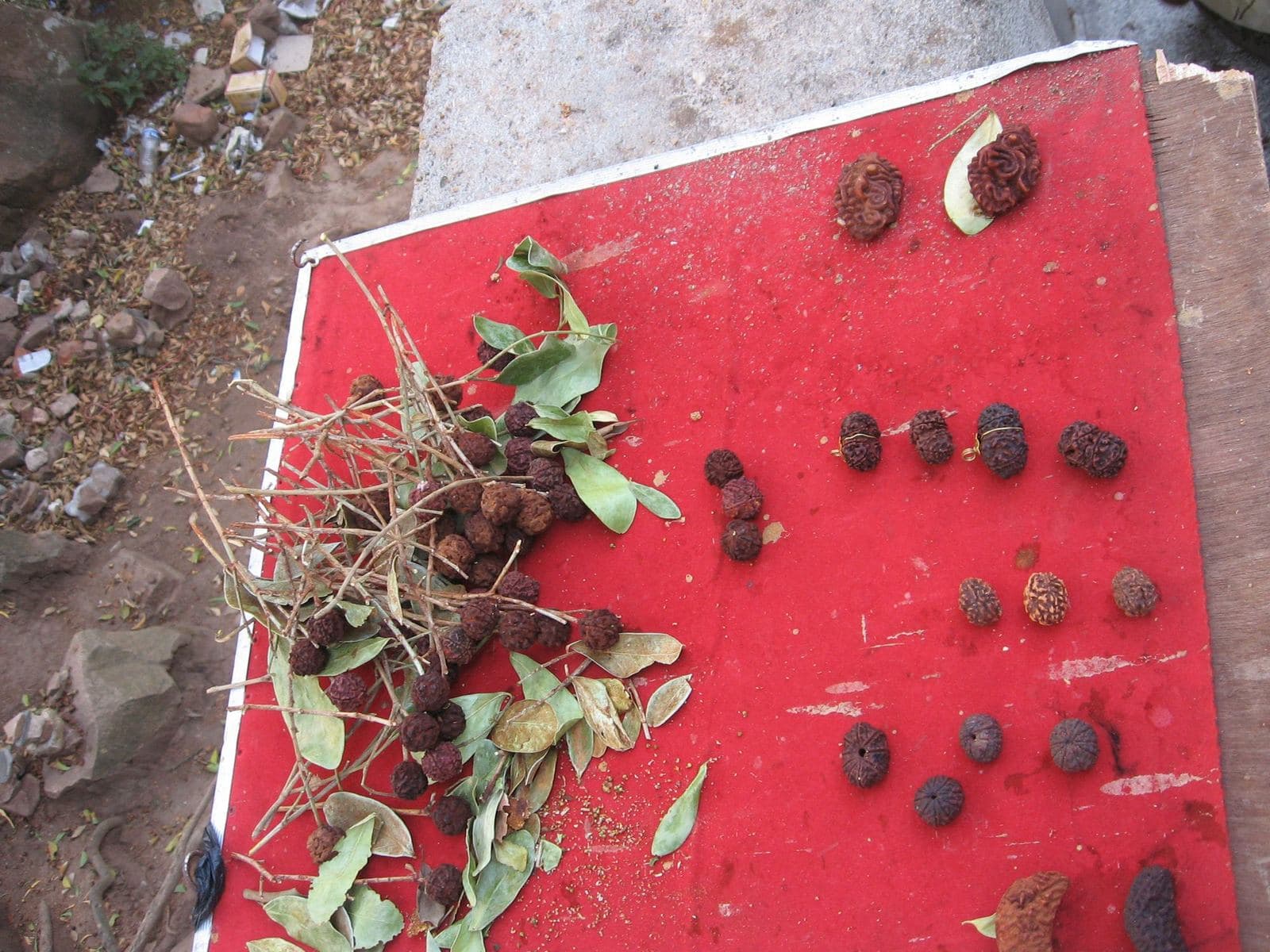
The chamber count is confirmed against the lines on the surface, and anything that disagrees is rejected rather than graded down. The image goes on the bead’s own page.
We hold no external accreditation and we do not claim one. The X-ray, the measurements and the lifetime authenticity guarantee are ours, which is why we publish exactly how each is done.
Grown with careDelivered with Trust
The nursery
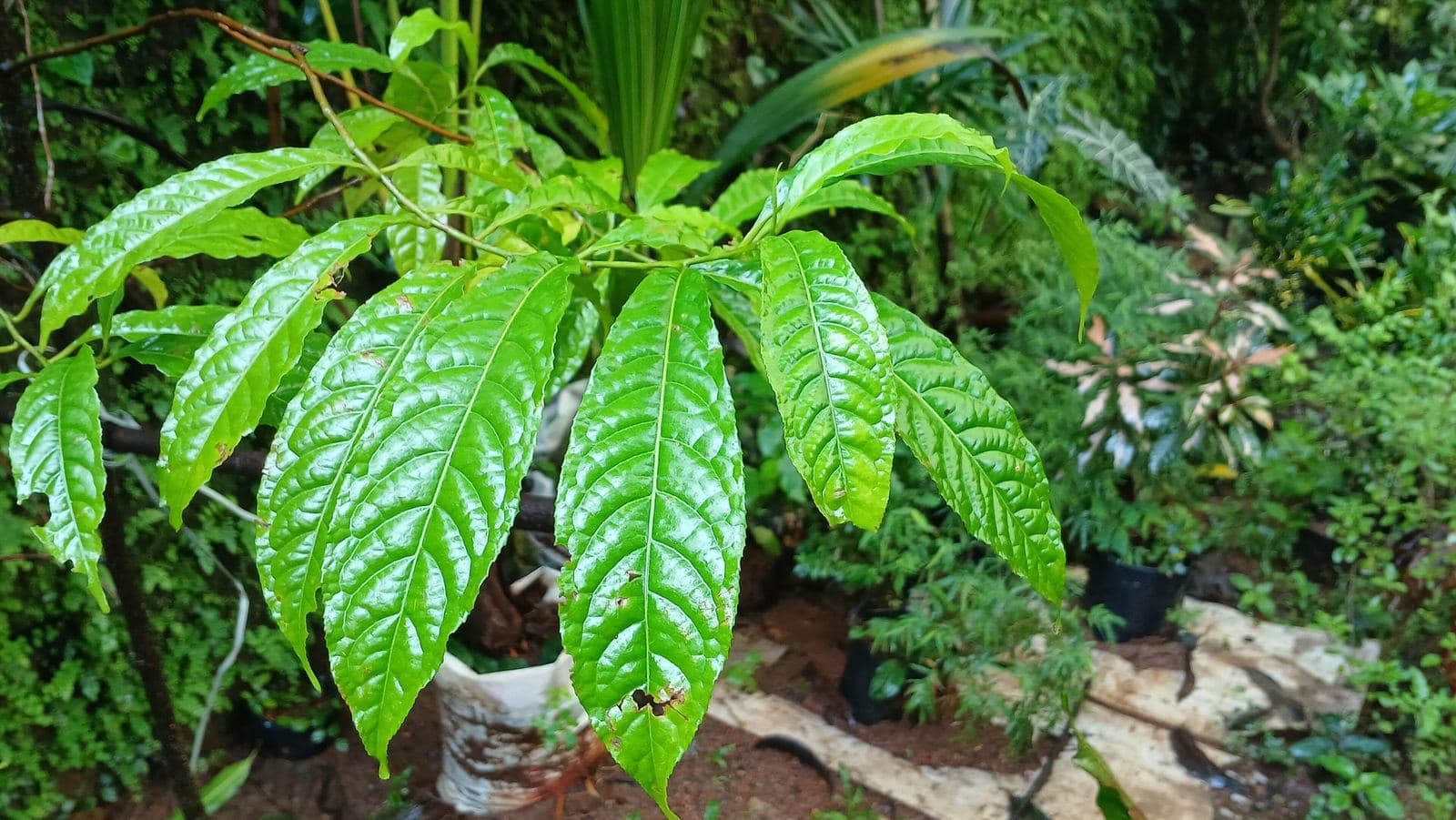
Seed off our own trees, raised in our own beds: seed-grown saplings and grafted stock for anyone planting rather than wearing. A living plant travels on a plant health certificate rather than in a padded envelope, so it is quoted per consignment and the first question is always which country it is going to.
Raised from our own trees with care and expertise.
Every plant travels with a valid plant health certificate.
Quoted per consignment with clear destination focus.
From the Knowledge Centre
The bead, the tree, the face counts and the prices — everything in one place, before you go deeper into any one of them.
Read the guideBefore you spend anything
The eight that arrive most often, answered the way we would answer them in an email.
That the people who grew the bead are the people selling it. Our family farms Rudraksha in the Arun Valley in Sankhuwasabha district, eastern Nepal: we pick the fruit, clean the seed, sort every bead by hand and X-ray each one before it is listed. Nobody buys it in between, which is why every bead page can name the harvest season it came from, the village it was collected in and the date it was sorted.
The 5 Mukhi, for almost everyone. It is the face count the trees drop most of, so it is the one bead you can buy well without spending a great deal, and it is what a mala is traditionally strung from. The rare faces are worth owning once you can read a bead yourself; they are an expensive way to find out you cannot.
Yes, and the difference is physical rather than spiritual. Nepali beads run larger and their mukhi lines are deeper and more clearly cut, which is what the higher price is paying for. Ours are Nepali because they come off our own trees — and a seller who cannot tell you which valley a bead grew in cannot tell you which of the two you are being sold.
Every bead is X-rayed before it is listed and the scan is published on its page, so you can count the internal chambers against the lines on the surface before you spend anything. Its measurements and its lab certificate travel in the box with it, and if a bead we sold is ever shown not to be what we said it was, we refund it in full with no time limit.
Three things, in this order: how rare that mukhi is, the diameter of the bead in millimetres, and how clean and symmetrical its surface is. Size is the one most people underestimate — the same mukhi a few millimetres wider costs several times more, because the tree produces far fewer of them. Every listing gives the exact millimetre range and the price for that range, so nothing is quoted on request.
We post from Sankhuwasabha to more than 160 countries, tracked end to end. Where your country charges duty or import tax it is payable by you on arrival and is not included in the price — that is a rule of your border rather than a fee of ours, and we would rather say so here than surprise you at the door.
Tradition has more to say about the wearing than we do, and the guide sets out what is actually practised rather than what sells beads. The care is simple and not traditional at all: keep it out of soap, shampoo and chlorinated water, let it dry after it gets wet, and work a drop of mustard or sesame oil into it once or twice a year. Kept that way a bead lasts decades.
Yes. We raise seed-grown and grafted saplings at the nursery on the same farm. Whether one can reach you is a question about your border rather than our stock: a living plant travels on a phytosanitary certificate and, in most countries, an import permit you arrange at your end first. Tell us where you are and we will say plainly whether it can be done.
If yours is not here, send it. We would rather talk you out of the wrong bead than sell you one.