Skip to content
Arun Valley Rudraksha

Your basket

Empty. There is no checkout here yet — every bead is sorted, weighed and photographed to order, so it is quoted by hand.

Ask about a beadBrowse the beads

Nepal · Arun Valley · Rare

13 Mukhi Rudraksha

CharismaAttractionRelationship success

Worn traditionally for charisma, attraction, relationship success, negotiation and persuasion.

Usually worn by: Sales, media, relationship blocks.

Choose a size — measured, not named

Regular18–21 mm$200

2in stock

Pick your bead

Medium21–24 mm$340

2in stock

Pick your bead

Collector27–32 mm$480

1in stock

Pick your bead

Super Collector32–40 mm$840

3in stock

Pick your bead
  • X-ray on every beadChamber count checked against the mukhi lines.
  • Lab certificate includedIssued per bead, downloadable before you buy.
  • Lifetime authenticity guaranteeFull refund if any bead is shown to be false.
  • Traceable to the collectorHarvest season, village and sorting date on record.

About 13 Mukhi Rudraksha

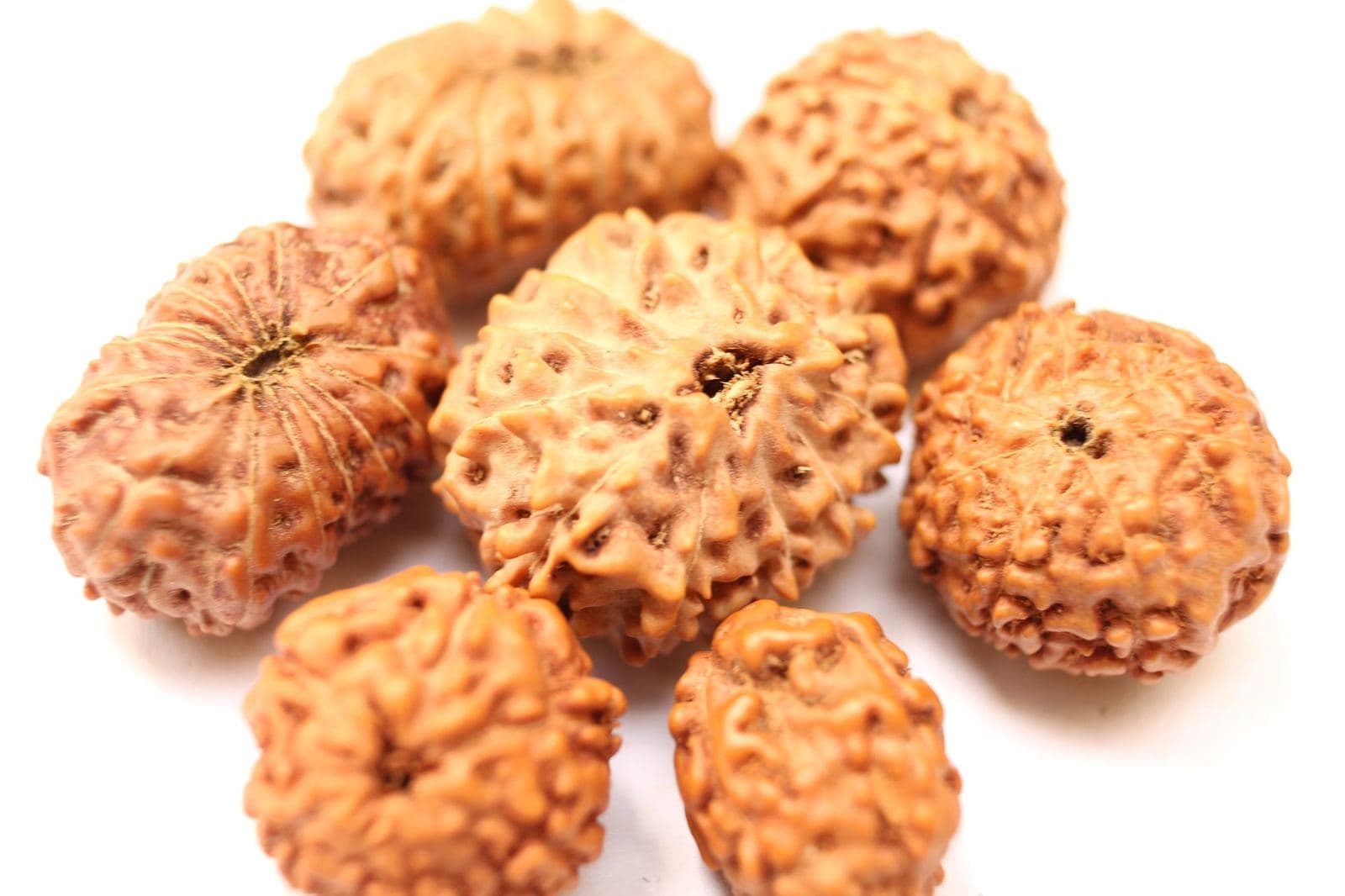
The name is a description. 13 Mukhi means 13 mukhi — 13 lines running from crown to base, with 13 seed chambers behind them. That correspondence is what makes the count checkable rather than a matter of trust: lines can be carved into a cheaper bead, chambers cannot.

In the traditional scheme this bead answers to Venus (Shukra) and to Kamadeva / Indra, and is associated with the Ajna (Third Eye) chakra. Its beej mantra is Om Hreem Namah. It is worn traditionally for charisma, attraction, relationship success, negotiation and persuasion — most often by sales, media, relationship blocks.

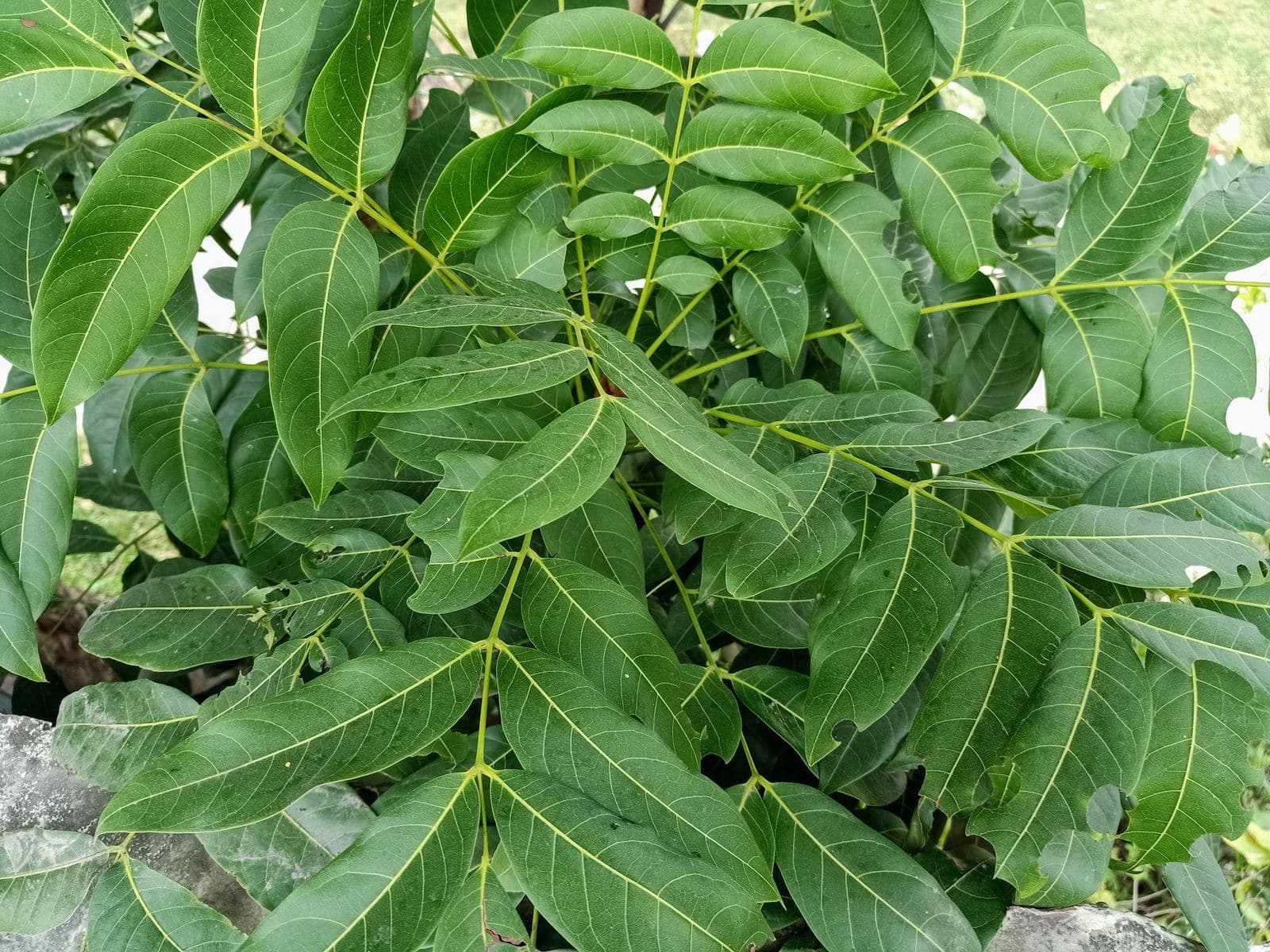
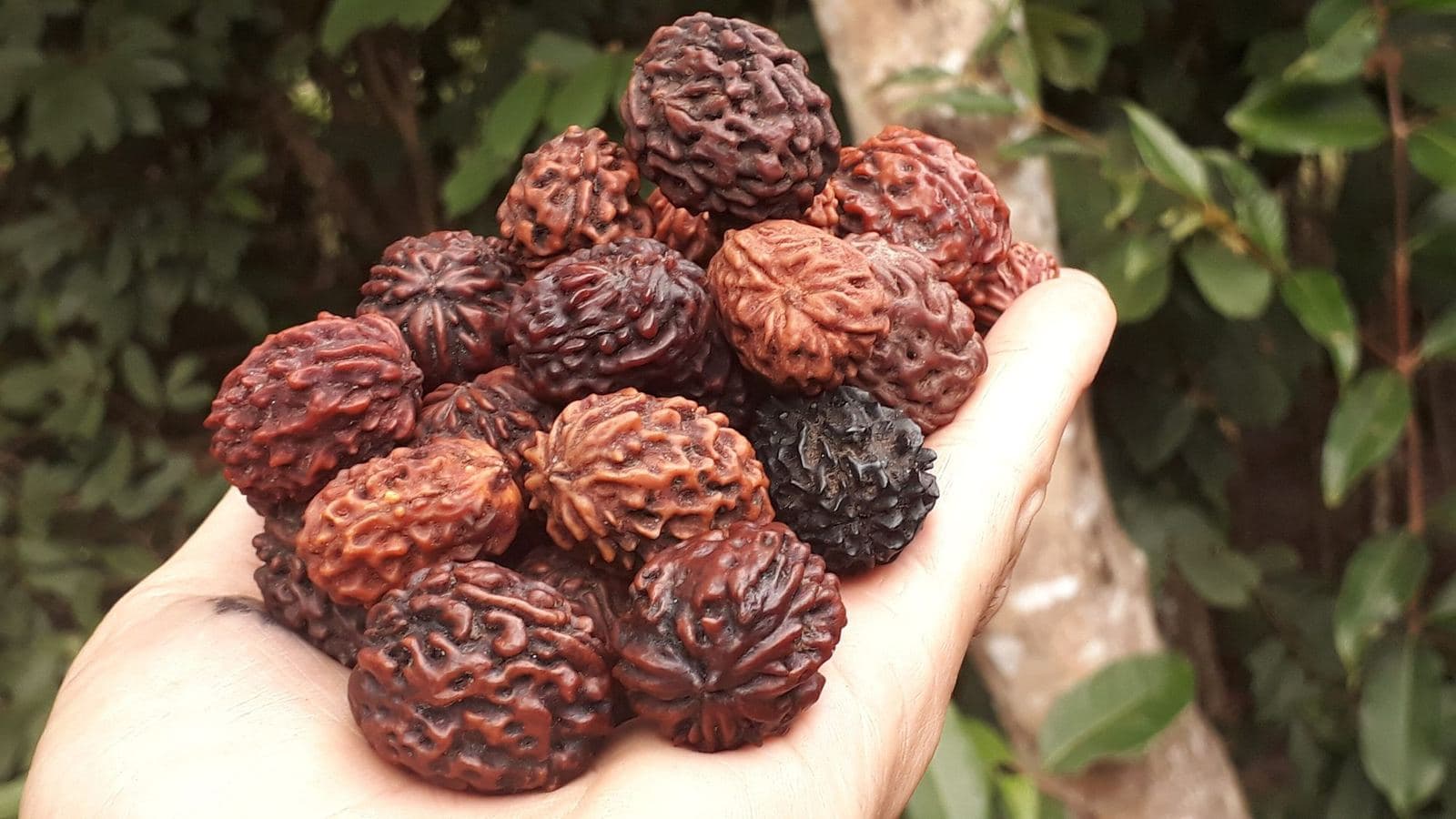
Every one on this page grew on our own trees in the Arun Valley, between 1,200 and 1,800 metres in Sankhuwasabha district, eastern Nepal. Rare across a season's harvest, which is what sets what it costs.

The record

Mukhi (faces)
13 lines, crown to base
Chambers under X-ray
13 — checked on every bead before it is listed
Origin
Arun Valley, Sankhuwasabha district, Nepal
Grown at
1,200–1,800 m
Rarity
Rare across a season’s harvest
Sizes stocked
18–40 mm
Typical market range, India
8,000–₹35,000 — for reference, not our price

Sizes we stock

Regular18–21 mm
$200
Medium21–24 mm
$340
Collector27–32 mm
$480
Super Collector32–40 mm
$840

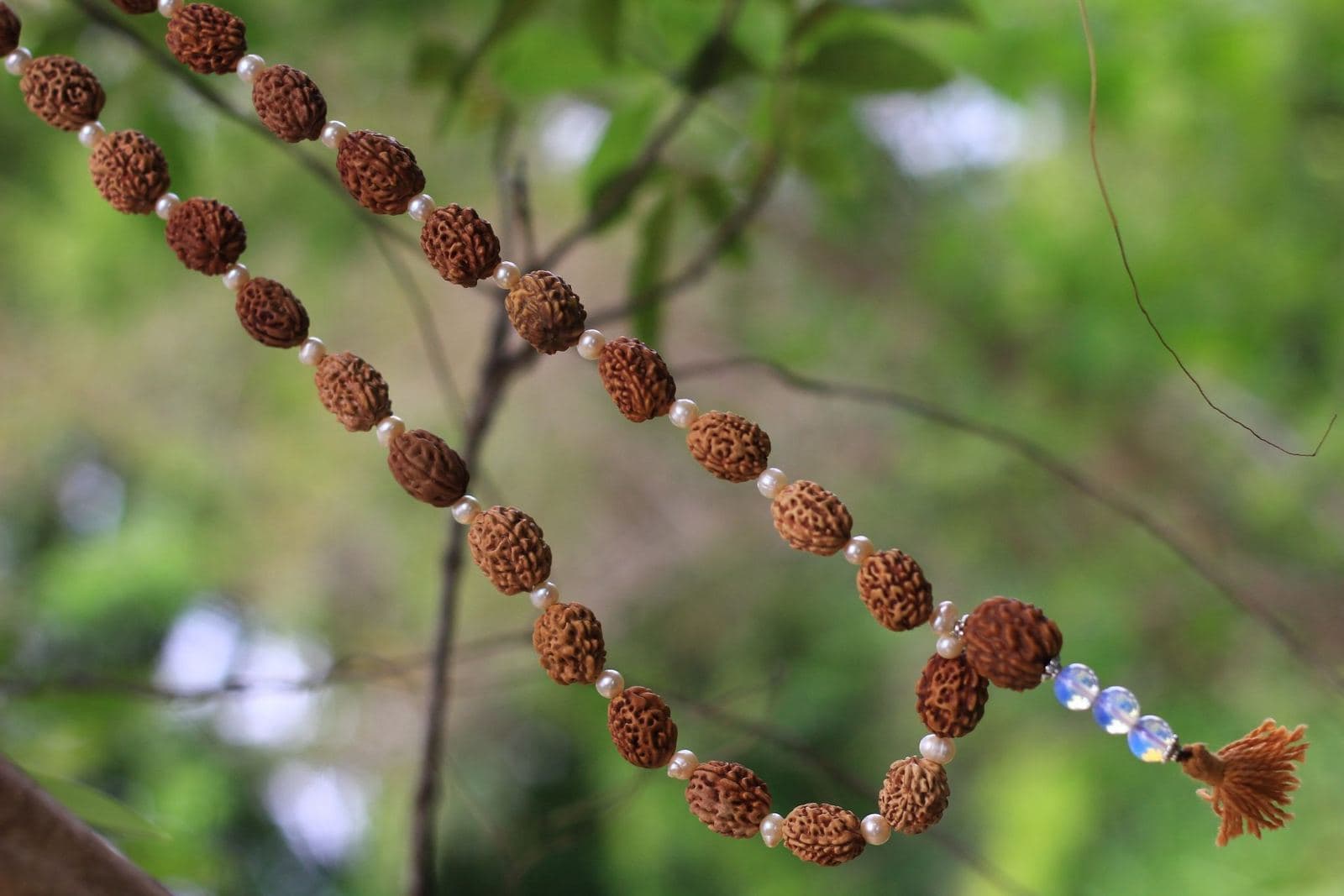
Size does not change what a bead is traditionally worn for. Larger beads are rarer and priced accordingly; choose by how you mean to wear it — smaller beads sit better in a mala, larger ones in a pendant.

Why the count is checkable13 lines outside means 13 chambers inside. Lines can be carved; chambers cannot.

What we check, and what we publish

The mukhi count is the only thing about a Rudraksha that can be faked convincingly from the outside, and it is the thing the price rests on. So it is the thing we prove rather than assert: every bead is X-rayed, the chamber count is read off the scan, and the image goes on that bead’s own page where you can look at it before you buy.

  • X-ray on every beadChamber count checked against the mukhi lines.
  • Lab certificate includedIssued per bead, downloadable before you buy.
  • Lifetime authenticity guaranteeFull refund if any bead is shown to be false.
  • Traceable to the collectorHarvest season, village and sorting date on record.
How certification works

Getting it to you

  • Posted from NepalEvery order is packed and posted from Sankhuwasabha, tracked end to end. Customs duty, where your country charges it, is payable on arrival and is not included.
  • The record travels with the beadIts X-ray, its measurements and its lab certificate are in the box, and the same record stays on its page here after it ships.
  • Lifetime authenticity guaranteeIf any bead we sold is shown not to be what we said it was, we refund it in full, with no time limit. That is a claim about the bead, not a returns window.
  • Changed your mindUnworn beads can be returned in their original packing. Tell us before you post it back so the lot can be reopened and the bead put back on its page.

Compare millimetres, not names

Sizes and prices

Grade names are not standardised — one seller’s “Collector” is another’s “Medium”. So we print the exact millimetre band beside every grade, and the precise measurement of the individual bead on its own page.

13 Mukhi sizes, availability and price in US dollars
Grade and diameterAvailabilityPrice
Regular18–21 mm2 in stock$200
Medium21–24 mm2 in stock$340
Collector27–32 mm1 in stock$480
Super Collector32–40 mm3 in stock$840

SAMPLE RECORD Stock figures below are placeholder data for development, not real availability.

One bead, one record

Individual beads available now

Each of these is one physical bead, photographed and X-rayed on its own. The bead you pick is the bead that ships.

Recently sold — one of one, so these are gone

Related to this bead

Questions we get about 13 Mukhi

How do I know a 13 Mukhi bead is real?

Under X-ray, a genuine bead shows internal chambers matching the lines on its surface — 13 lines should mean 13 chambers. We X-ray every bead we sell and publish the image on its page, so you can check before you buy rather than trusting a description.

What size 13 Mukhi should I choose?

We stock 18–40 mm. Larger beads are rarer and cost more, but size does not change the traditional attribution of the bead. Choose by how you intend to wear it: smaller beads sit better in a mala, larger ones in a pendant.

Is this bead Nepali or Indonesian?

Nepali, from our own trees in the Arun Valley in Sankhuwasabha district. Nepali beads are larger and have deeper, more clearly defined mukhi lines than Indonesian beads, which is why they are priced higher.

How much does a 13 Mukhi cost?

Ours start at $200 and rise with size and symmetry. Because we harvest and sort the beads ourselves there is no wholesaler margin in that price — the difference is in the supply chain, not in a discount.

These are traditional associations recorded in Vedic and Puranic sources. They are described here as tradition, not as medical or therapeutic claims, and no bead is a substitute for medical care.