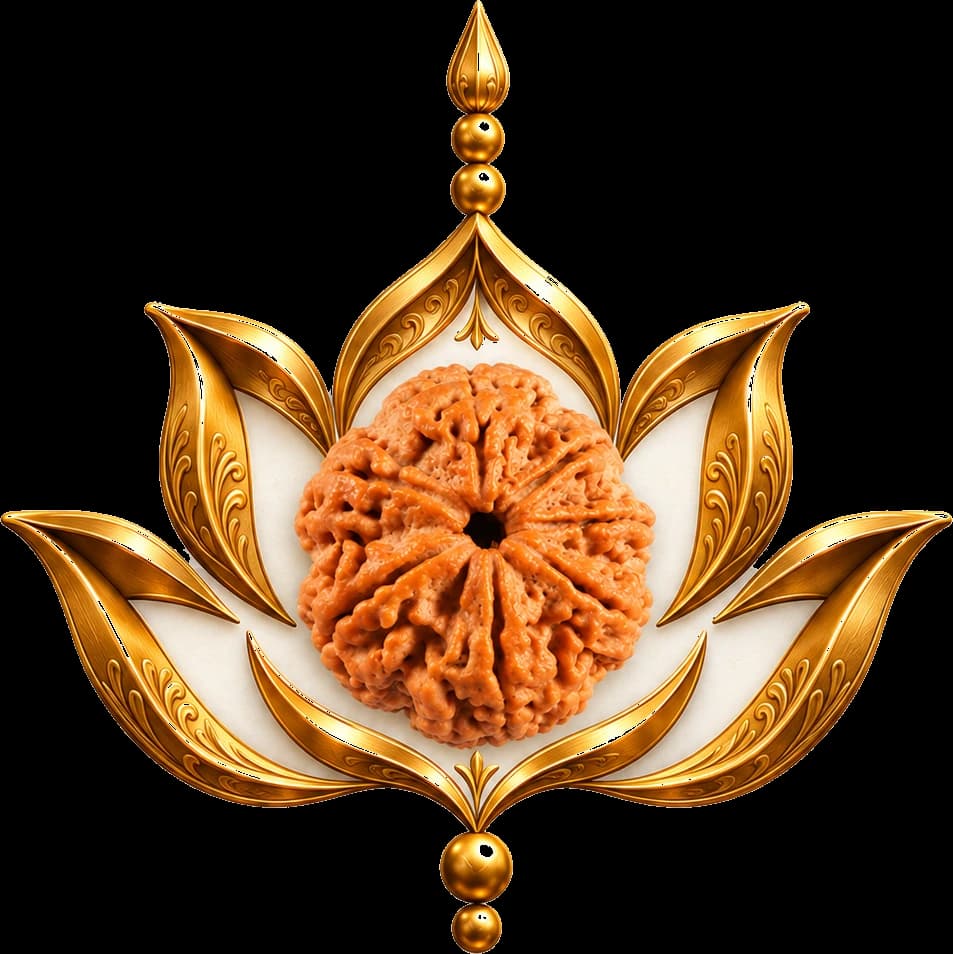
5 lines · 5 chambers
5 Mukhi
Jupiter (Guru)
Most commonPrice on request
Your basket
Empty. While we confirm our price list, every bead is priced on request: tell us the bead and the size, and we quote it with its X-ray. There is no online checkout: you order through our contact form, by email or on WhatsApp.
Ask about a beadBrowse the beadsBy ruling planet
Beads traditionally worn in connection with Jupiter. Each is grown, sorted and X-rayed by our own family in the Arun Valley.
Some of the beads below are grouped by an attribution that varies between traditions. Where that is the case, the bead’s own page says so.
Jupiter — Guru or Brihaspati — is the teacher among the planets: wisdom, learning, children, dharma and steady growth. In Jyotish a strong Jupiter is the planet people most want on their side.
This grouping runs from one end of the range to the other. The 5 Mukhi is the most common Rudraksha there is and the usual first bead; the 21 Mukhi is among the rarest. Some texts give the 21 to Kubera rather than Jupiter, which is why it is marked as varying.
| Bead | Presiding deity | Planet | Chakra | Rarity | Worn traditionally for |
|---|---|---|---|---|---|
| 5 Mukhi | Kalagni Rudra | Jupiter (Guru) | Vishuddha (Throat) | Most common | All-purpose bead: calm mind, stress relief, wisdom, general wellbeing; traditionally linked with a calm, steady heart |
| 21 MukhiAttributions vary | Lord Kubera | Jupiter (varies) | All chakras | Ultra rare | Ultimate wealth bead; multi-generational abundance and business expansion |
Traditionally 5 Mukhi and 21 Mukhi. Which one suits you depends on your chart and on what you intend the bead for, so treat this as a starting point rather than a prescription.
Each bead has its own beej mantra. 5 Mukhi: Om Hreem Namah; 21 Mukhi: Om Hreem Hum Namah. It is traditionally chanted when the bead is first worn.
Not necessarily. Many people choose by intention rather than by planet. If you do want the astrological route, an astrologer working from your own chart will give you a better answer than a category page can.
These are traditional associations recorded in Vedic and Puranic sources. They are described here as tradition, not as medical or therapeutic claims, and no bead is a substitute for medical care.