Compare millimetres, not names
Sizes and prices
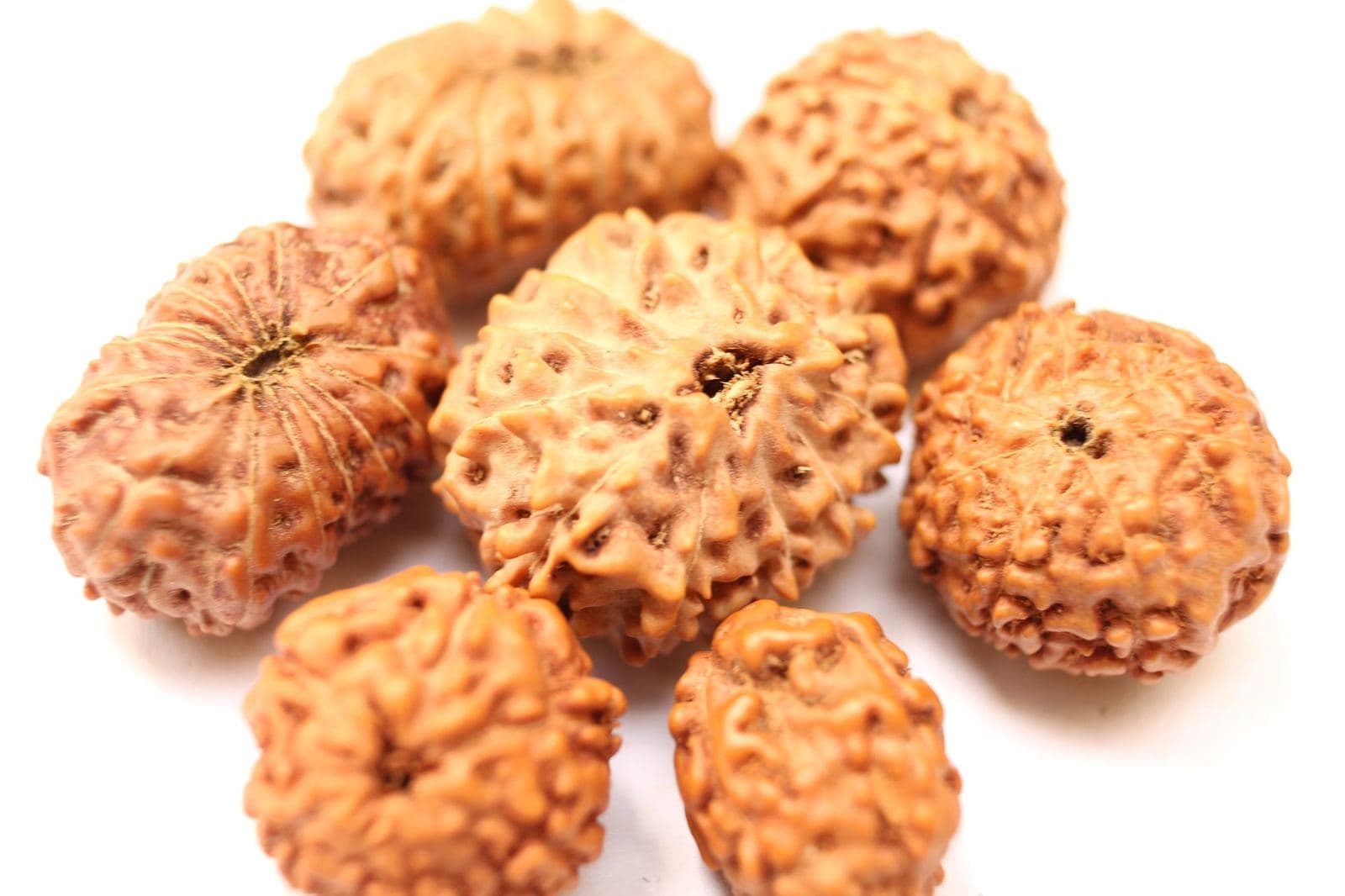
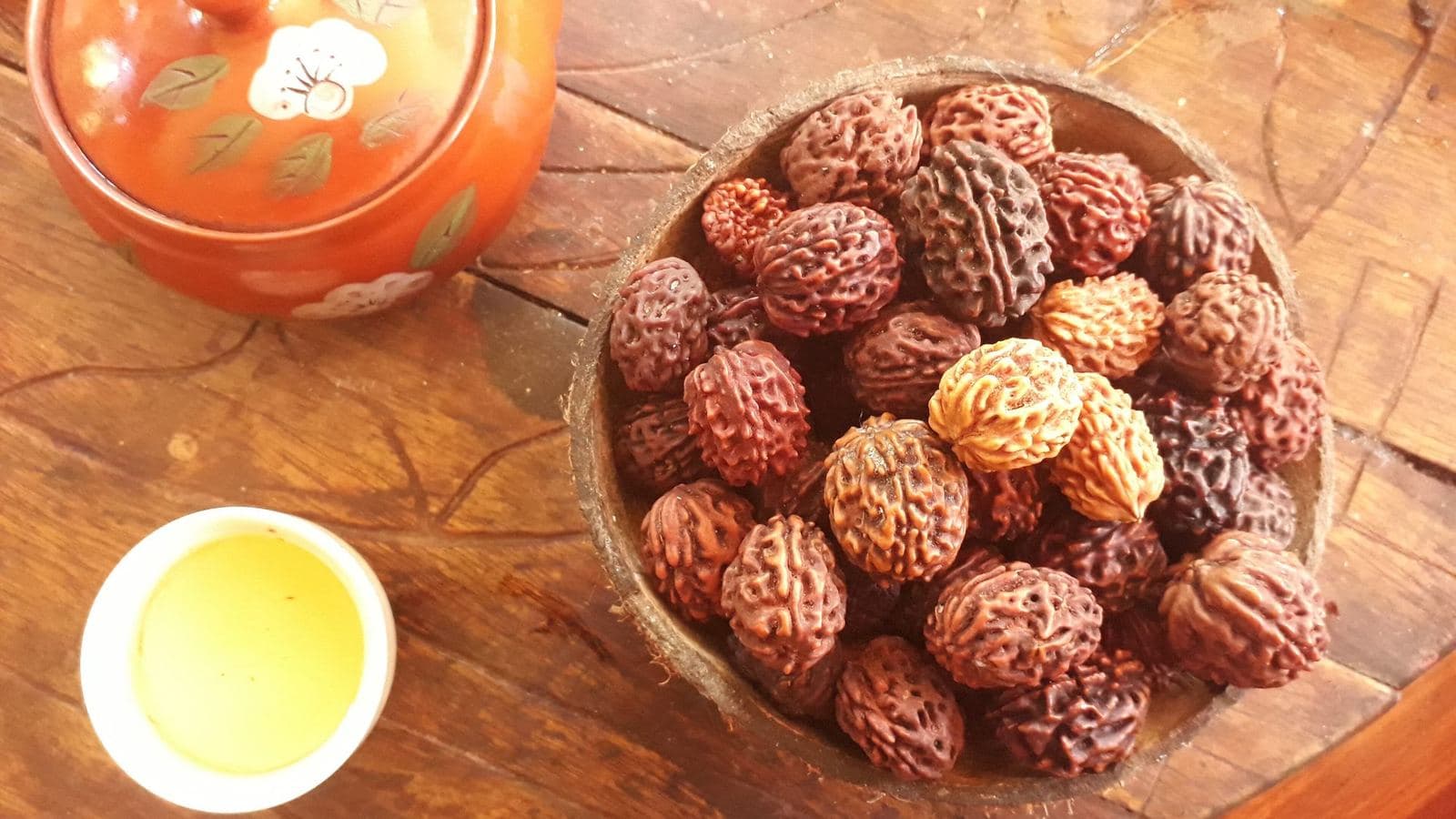
Grade names are not standardised — one seller’s “Collector” is another’s “Medium”. So we print the exact millimetre band beside every grade, and the precise measurement of the individual bead on its own page.
| Grade and diameter | Availability | Price |
|---|---|---|
| Regular18–21 mm | 2 in stock | $200 |
| Medium21–24 mm | 2 in stock | $340 |
| Collector27–32 mm | 3 in stock | $480 |
| Super Collector32–40 mm | 3 in stock | $835 |
SAMPLE RECORD Stock figures below are placeholder data for development, not real availability.
One bead, one record
Individual beads available now
Each of these is one physical bead, photographed and X-rayed on its own. The bead you pick is the bead that ships.
- RUD-NEP-GAURISHANKAR-REG-L0118.8 mm · 2.39 gRound · Autumn 2025 · Chainpur$196
- RUD-NEP-GAURISHANKAR-REG-L0220.0 mm · 2.88 gRound · Autumn 2023 · Bala$213
- RUD-NEP-GAURISHANKAR-MED-L0122.7 mm · 4.21 gOval · Autumn 2023 · Num$355
- RUD-NEP-GAURISHANKAR-MED-L0222.3 mm · 3.99 gRound · Autumn 2024 · Tumlingtar$345
- RUD-NEP-GAURISHANKAR-COL-L0127.2 mm · 7.24 gRound · Autumn 2025 · Num$446
- RUD-NEP-GAURISHANKAR-COL-L0230.8 mm · 10.52 gFlat-round · Autumn 2025 · Num$522
- RUD-NEP-GAURISHANKAR-COL-L0331.5 mm · 11.25 gFlat-round · Autumn 2023 · Chainpur$537
- RUD-NEP-GAURISHANKAR-SUP-L0138.2 mm · 20.07 gRound · Autumn 2025 · Num$911
- RUD-NEP-GAURISHANKAR-SUP-L0234.8 mm · 15.17 gRound · Autumn 2024 · Chainpur$832
- RUD-NEP-GAURISHANKAR-SUP-L0339.9 mm · 22.87 gSlightly oval · Autumn 2024 · Bala$950
Related to this bead
- Moon beadsRuling planet
- Shiva-Parvati beadsPresiding deity
- Anahata chakra beadsAssociated chakra
- How to check this bead is genuineHigh demand
Questions we get about Gauri Shankar
How do I know a Gauri Shankar bead is real?
Under X-ray, a genuine bead shows internal chambers matching the lines on its surface. We X-ray every bead we sell and publish the image on its page, so you can check before you buy rather than trusting a description.
What size Gauri Shankar should I choose?
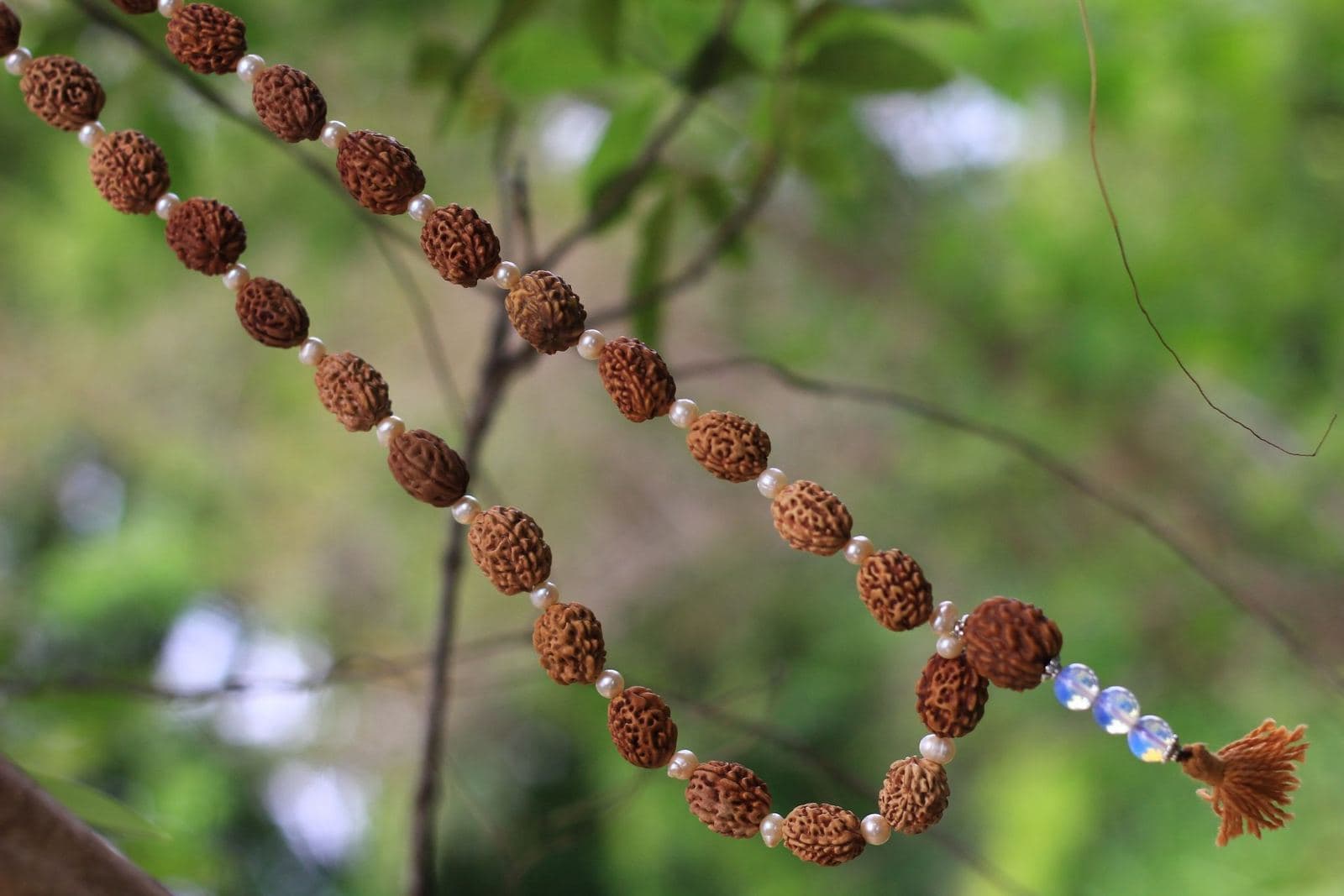
We stock 18–40 mm. Larger beads are rarer and cost more, but size does not change the traditional attribution of the bead. Choose by how you intend to wear it: smaller beads sit better in a mala, larger ones in a pendant.
Is this bead Nepali or Indonesian?
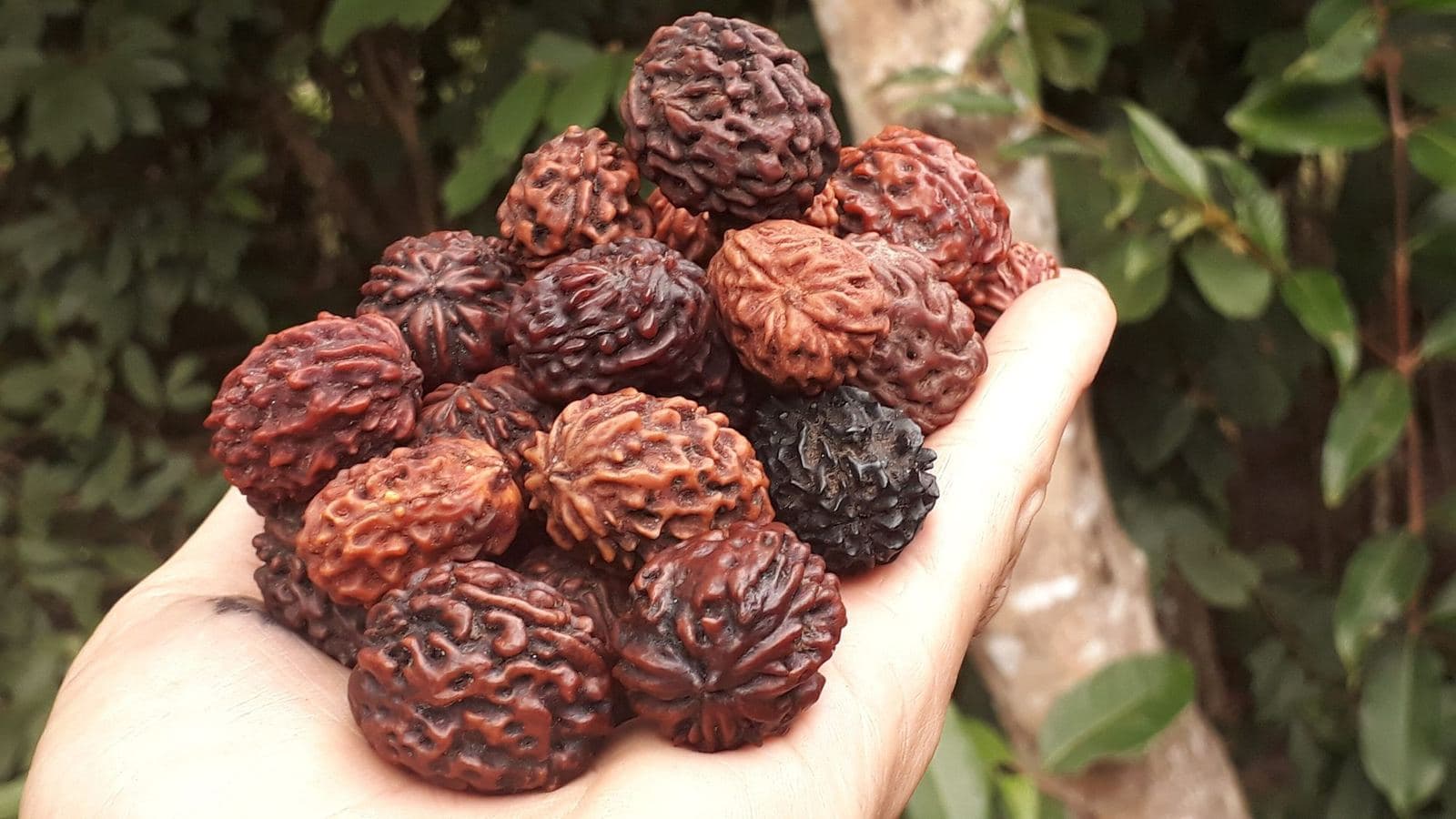
Nepali, from our own trees in the Arun Valley in Sankhuwasabha district. Nepali beads are larger and have deeper, more clearly defined mukhi lines than Indonesian beads, which is why they are priced higher.
How much does a Gauri Shankar cost?
Ours start at $200 and rise with size and symmetry. Because we harvest and sort the beads ourselves there is no wholesaler margin in that price — the difference is in the supply chain, not in a discount.
These are traditional associations recorded in Vedic and Puranic sources. They are described here as tradition, not as medical or therapeutic claims, and no bead is a substitute for medical care.