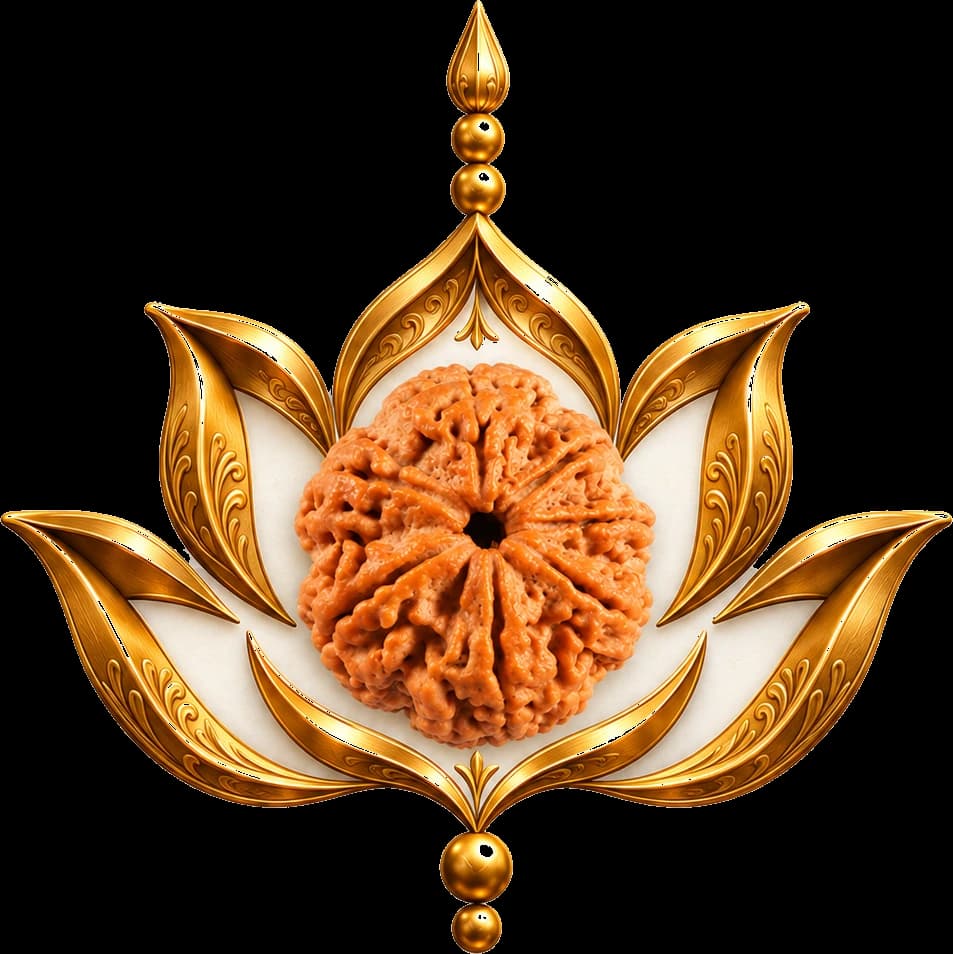
6 MukhiPhotograph coming soon
6 lines · 6 chambers
6 Mukhi
Venus (Shukra)
CommonPrice on request
Your basket
Empty. While we confirm our price list, every bead is priced on request: tell us the bead and the size, and we quote it with its X-ray. There is no online checkout: you order through our contact form, by email or on WhatsApp.
Ask about a beadBrowse the beadsBy ruling planet
Beads traditionally worn in connection with Venus. Each is grown, sorted and X-rayed by our own family in the Arun Valley.
Venus — Shukra — governs love, beauty, art, comfort and marriage. It is the planet most often consulted for relationships and creative work.
The 6 Mukhi, given to Kartikeya, is the everyday Venus bead and one of the most worn Rudraksha overall. The 13 Mukhi, given to Kamadeva, the god of desire, is the rarer and more specific choice — chosen for attraction and charm rather than for Venus in general.
| Bead | Presiding deity | Planet | Chakra | Rarity | Worn traditionally for |
|---|---|---|---|---|---|
| 6 Mukhi | Lord Kartikeya | Venus (Shukra) | Swadhisthana (Sacral) | Common | Willpower, sustained drive, focus, athletic performance, expression |
| 13 Mukhi | Kamadeva / Indra | Venus (Shukra) | Ajna (Third Eye) | Rare | Charisma, attraction, relationship success, negotiation and persuasion |
Traditionally 6 Mukhi and 13 Mukhi. Which one suits you depends on your chart and on what you intend the bead for, so treat this as a starting point rather than a prescription.
Each bead has its own beej mantra. 6 Mukhi: Om Hreem Hum Namah; 13 Mukhi: Om Hreem Namah. It is traditionally chanted when the bead is first worn.
Not necessarily. Many people choose by intention rather than by planet. If you do want the astrological route, an astrologer working from your own chart will give you a better answer than a category page can.
These are traditional associations recorded in Vedic and Puranic sources. They are described here as tradition, not as medical or therapeutic claims, and no bead is a substitute for medical care.